
Couscous à la royale vs Sémola De Trigo Gallo
Overall, Sémola De Trigo Gallo has the better nutritional profile on the measures we compare. It wins on 5 of our comparison points versus 1.
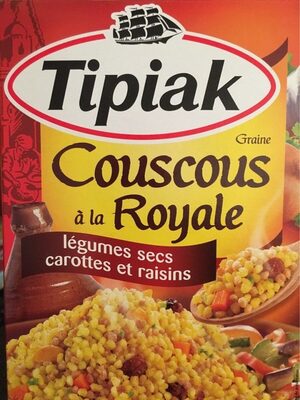
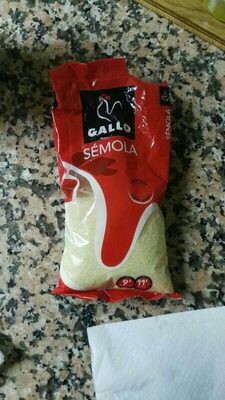
Nutrition per 100 g
| Nutrient | Couscous à la royale | Sémola De Trigo Gallo |
|---|---|---|
| Nutri-Score | c | a |
| NOVA group | 4 | — |
| Calories | 175 kcal | 344 kcal |
| Fat | 2 g | 2 g |
| Saturated fat | 0.3 g | 0.5 g |
| Sugars | 3.8 g | 1 g |
| Salt | 0.9 g | 0 g |
| Fiber | 3.3 g | — |
| Protein | 6.8 g | 12 g |
| Additives | 1 | 0 |
| Allergens | Celery, Gluten, Milk, Soybeans | None listed |
Green = better value for that nutrient (less sugar, fat, salt and calories; more fiber and protein).
Key differences
- Couscous à la royale has 49% fewer calories (175 kcal vs 344 kcal).
- Sémola De Trigo Gallo has 74% less sugar (1 g vs 3.8 g).
- Sémola De Trigo Gallo has 97% less salt (0 g vs 0.9 g).
- Sémola De Trigo Gallo has 43% more protein (12 g vs 6.8 g).
- Sémola De Trigo Gallo has the better Nutri-Score.
- Only Couscous à la royale lists: Celery, Gluten, Milk, Soybeans.
Ingredients
Couscous à la royale
Semoule de blé dur précuite (GLUTEN)(77 %), flocons de soja (6 %), farine de lentilles vertes précuites (5 %), raisins secs (3 %), aromes (LAIT, CéLERI), sel, huile végétales(tournesol, coton), carottes déshydratées (1 %), maltodextrine de pomme de terre, fructose, plantes aromatiques (0,2 %), épices (0,2%), oignon déshydraté (0,07 %), poivrons rouges déshydratés (0,06 %), ail déshydraté (0,03 %), extrait de romarin. Présence de gluten, lait, soja, céleri.
Sémola De Trigo Gallo
Not available.
FAQ
Which is healthier: Couscous à la royale or Sémola De Trigo Gallo?
Overall, Sémola De Trigo Gallo has the better nutritional profile on the measures we compare. We compare Nutri-Score, processing level and seven nutrients per 100 g. Your own needs (for example low sugar or high protein) may make a different choice better for you.
Which has fewer calories?
Couscous à la royale has fewer calories: 175 kcal versus 344 kcal per 100 g.
Which has less sugar?
Sémola De Trigo Gallo has less sugar: 1 g versus 3.8 g per 100 g.