
Chicken Liver Parfait vs Pate de pasăre
Overall, Pate de pasăre has the better nutritional profile on the measures we compare. It wins on 7 of our comparison points versus 0.
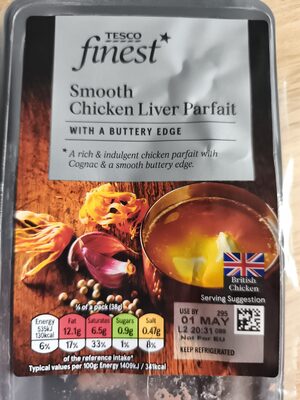
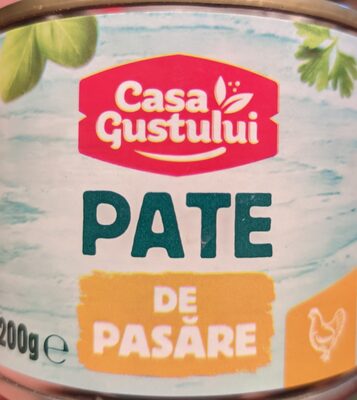
Nutrition per 100 g
| Nutrient | Chicken Liver Parfait | Pate de pasăre |
|---|---|---|
| Nutri-Score | e | c |
| NOVA group | 3 | 3 |
| Calories | 341 kcal | 150 kcal |
| Fat | 31.8 g | 10 g |
| Saturated fat | 17 g | 1.6 g |
| Sugars | 2.3 g | 1.3 g |
| Salt | 1.2 g | 1.5 g |
| Fiber | 1 g | — |
| Protein | 7.1 g | 9.1 g |
| Additives | 2 | 1 |
| Allergens | Milk | Soybeans |
Green = better value for that nutrient (less sugar, fat, salt and calories; more fiber and protein).
Key differences
- Pate de pasăre has 56% fewer calories (150 kcal vs 341 kcal).
- Pate de pasăre has 69% less fat (10 g vs 31.8 g).
- Pate de pasăre has 91% less saturated fat (1.6 g vs 17 g).
- Pate de pasăre has 43% less sugar (1.3 g vs 2.3 g).
- Pate de pasăre has 22% more protein (9.1 g vs 7.1 g).
- Pate de pasăre has the better Nutri-Score.
- Only Chicken Liver Parfait lists: Milk.
- Only Pate de pasăre lists: Soybeans.
Ingredients
Chicken Liver Parfait
Chicken Liver (40%). Butter (Milk), Double Cream (Milk), Water, Pork Fat, Clarified Butter (Milk) (6%), Tapioca Starch, Cognac (3.5%), Rapeseed Oil, Sugar, Salt, Garlic Purée, Antioxidant (Ascorbic Acid), White Pepper, Mace, Preservative (Sodium Nitrite). Made using British chicken.
Pate de pasăre
20% ficat de pui, apă, carne de pasăre, ulei de floarea-soarelui, proteină vegetală din soia, amidon din porumb, sare, zahăr, ceapă pudră, boia de ardei, ulei de cimbru, conservant: nitrit de sodiu; ulei de piper.
FAQ
Which is healthier: Chicken Liver Parfait or Pate de pasăre?
Overall, Pate de pasăre has the better nutritional profile on the measures we compare. We compare Nutri-Score, processing level and seven nutrients per 100 g. Your own needs (for example low sugar or high protein) may make a different choice better for you.
Which has fewer calories?
Pate de pasăre has fewer calories: 150 kcal versus 341 kcal per 100 g.
Which has less sugar?
Pate de pasăre has less sugar: 1.3 g versus 2.3 g per 100 g.