
Cereais e Fibra vs Belgian Choc Salted Caramel
Overall, Cereais e Fibra has the better nutritional profile on the measures we compare. It wins on 4 of our comparison points versus 1.
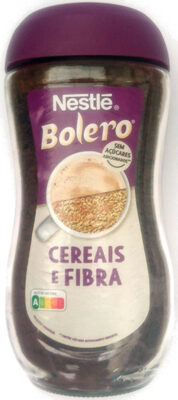
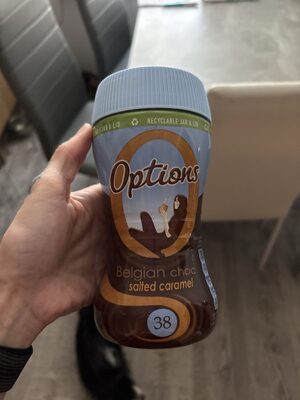
Nutrition per 100 g
| Nutrient | Cereais e Fibra | Belgian Choc Salted Caramel |
|---|---|---|
| Nutri-Score | — | e |
| NOVA group | 4 | 4 |
| Calories | 335 kcal | 40 kcal |
| Fat | 0.2 g | 0.8 g |
| Saturated fat | 0.1 g | 0.5 g |
| Sugars | 5 g | 5.7 g |
| Salt | 0.2 g | 0.3 g |
| Fiber | 21 g | — |
| Protein | 4.8 g | 1 g |
| Additives | 1 | 10 |
| Allergens | Gluten | Milk |
Green = better value for that nutrient (less sugar, fat, salt and calories; more fiber and protein).
Key differences
- Belgian Choc Salted Caramel has 88% fewer calories (40 kcal vs 335 kcal).
- Cereais e Fibra has 75% less fat (0.2 g vs 0.8 g).
- Cereais e Fibra has 80% less saturated fat (0.1 g vs 0.5 g).
- Cereais e Fibra has 12% less sugar (5 g vs 5.7 g).
- Cereais e Fibra has 79% more protein (4.8 g vs 1 g).
- Only Cereais e Fibra lists: Gluten.
- Only Belgian Choc Salted Caramel lists: Milk.
Ingredients
Cereais e Fibra
Cevada (31%), _Cevada_ malteada (23%), inulina, chicória (15,5%), _centeio_ (8%), regulador de acidez (E 525).
Belgian Choc Salted Caramel
milk permeate powder, fat-reduced cocoa powder (20%), thickeners (acacia gum, xanthan gum), dried glucose syrup, belgian chocolate (6%) (sugar, cocoa mass, fat-reduced cocoa powder, flavouring), skimmed milk powder, coconut oil, salt, flavourings, emulsifiers (sunflower lecithin, e472e), sweeteners (acesulfame k, sucralose), anti-caking agent (e551), stabiliser (e340ii),
FAQ
Which is healthier: Cereais e Fibra or Belgian Choc Salted Caramel?
Overall, Cereais e Fibra has the better nutritional profile on the measures we compare. We compare Nutri-Score, processing level and seven nutrients per 100 g. Your own needs (for example low sugar or high protein) may make a different choice better for you.
Which has fewer calories?
Belgian Choc Salted Caramel has fewer calories: 40 kcal versus 335 kcal per 100 g.
Which has less sugar?
Cereais e Fibra has less sugar: 5 g versus 5.7 g per 100 g.