
Bio-Gemüsebrühe vs Broccoli And Stilton Soup In A Mug
Overall, Bio-Gemüsebrühe has the better nutritional profile on the measures we compare. It wins on 5 of our comparison points versus 2.
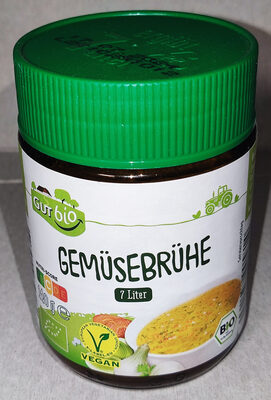
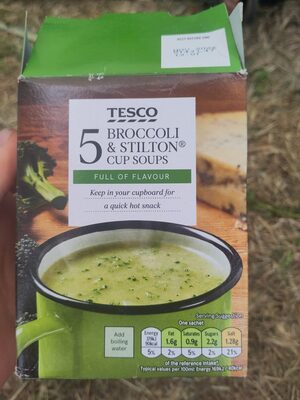
Nutrition per 100 g
| Nutrient | Bio-Gemüsebrühe | Broccoli And Stilton Soup In... |
|---|---|---|
| Nutri-Score | — | b |
| NOVA group | 4 | 4 |
| Calories | 3 kcal | 40 kcal |
| Fat | 0.1 g | 0.7 g |
| Saturated fat | 0.1 g | 0.4 g |
| Sugars | 0.5 g | 1 g |
| Salt | 1.1 g | 0.6 g |
| Fiber | 1.2 g | 0.5 g |
| Protein | 0.1 g | 0.7 g |
| Additives | 0 | 5 |
| Allergens | Celery | Gluten, Milk |
Green = better value for that nutrient (less sugar, fat, salt and calories; more fiber and protein).
Key differences
- Bio-Gemüsebrühe has 93% fewer calories (3 kcal vs 40 kcal).
- Bio-Gemüsebrühe has 86% less fat (0.1 g vs 0.7 g).
- Bio-Gemüsebrühe has 75% less saturated fat (0.1 g vs 0.4 g).
- Bio-Gemüsebrühe has 50% less sugar (0.5 g vs 1 g).
- Broccoli And Stilton Soup In A Mug has 48% less salt (0.6 g vs 1.1 g).
- Bio-Gemüsebrühe has 58% more fiber (1.2 g vs 0.5 g).
- Broccoli And Stilton Soup In A Mug has 86% more protein (0.7 g vs 0.1 g).
- Only Bio-Gemüsebrühe lists: Celery.
- Only Broccoli And Stilton Soup In A Mug lists: Gluten, Milk.
Ingredients
Bio-Gemüsebrühe
Meersalz, Glukosesirup, Maisstärke, Zwiebeln, Karotten, Rohrzucker, Lauch, Kurkuma, Pfeffer, Petersilie, Sellerieblätter, Liebstöckelblätter, Sonnenblumenöl
Broccoli And Stilton Soup In A Mug
Maltodextrin, Potato Starch, Dried Glucose Syrup. Whey Powder (Milk), Broccoli Powder (4.5%). Palm Oil, Flavourings (contain Milk, Barley), Salt Dried Potato. Blue StiltonⓇ Cheese Powder (Milk) (2%). Onion Powder, Dried Broccoli, Cheese Powder (Milk), Cheddar Cheese Powder (Milk), Garlic Powder, Milk Proteins. Colour (Curcumin), Stabilisers (Trisodium Citrate, Dipotassium Phosphate), Ground Black Pepper. Allergy Advice For allergens, including cereals containi gluten, see ingredients in bold. tions Also, may contain egg, soya and mustard
FAQ
Which is healthier: Bio-Gemüsebrühe or Broccoli And Stilton Soup In A Mug?
Overall, Bio-Gemüsebrühe has the better nutritional profile on the measures we compare. We compare Nutri-Score, processing level and seven nutrients per 100 g. Your own needs (for example low sugar or high protein) may make a different choice better for you.
Which has fewer calories?
Bio-Gemüsebrühe has fewer calories: 3 kcal versus 40 kcal per 100 g.
Which has less sugar?
Bio-Gemüsebrühe has less sugar: 0.5 g versus 1 g per 100 g.