
Comparison
Whole cucumber vs Parrillada campestre
Overall, Whole cucumber has the better nutritional profile on the measures we compare. It wins on 3 of our comparison points versus 2.

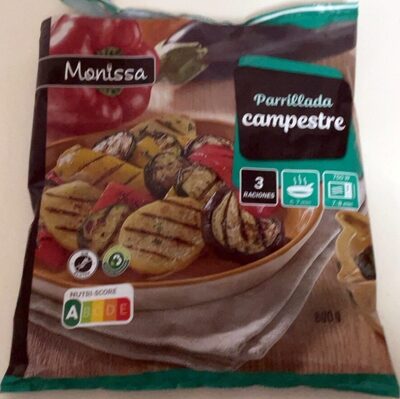
Nutrition per 100 g
| Nutrient | Whole cucumber | Parrillada campestre |
|---|---|---|
| Nutri-Score | a | a |
| NOVA group | 1 | — |
| Calories | 16 kcal | 69 kcal |
| Fat | 0.1 g | 0.6 g |
| Saturated fat | 0 g | 0.1 g |
| Sugars | 1.7 g | 2.7 g |
| Salt | 0 g | 0 g |
| Fiber | 0.6 g | 2.8 g |
| Protein | 0.6 g | 2 g |
| Additives | 0 | 0 |
| Allergens | None listed | None listed |
Green = better value for that nutrient (less sugar, fat, salt and calories; more fiber and protein).
Key differences
- Whole cucumber has 77% fewer calories (16 kcal vs 69 kcal).
- Whole cucumber has 82% less fat (0.1 g vs 0.6 g).
- Whole cucumber has 38% less sugar (1.7 g vs 2.7 g).
- Parrillada campestre has 79% more fiber (2.8 g vs 0.6 g).
- Parrillada campestre has 68% more protein (2 g vs 0.6 g).
Ingredients
Whole cucumber
Cucumber
Parrillada campestre
Not available.
FAQ
Which is healthier: Whole cucumber or Parrillada campestre?
Overall, Whole cucumber has the better nutritional profile on the measures we compare. We compare Nutri-Score, processing level and seven nutrients per 100 g. Your own needs (for example low sugar or high protein) may make a different choice better for you.
Which has fewer calories?
Whole cucumber has fewer calories: 16 kcal versus 69 kcal per 100 g.
Which has less sugar?
Whole cucumber has less sugar: 1.7 g versus 2.7 g per 100 g.
More comparisons
Parrillada campestre vs Curry cauliflower bites
Whole cucumber vs Curry cauliflower bites
Parrillada campestre vs What The Cluck Vegan Chi...
Whole cucumber vs What The Cluck Vegan Chi...
Whole cucumber vs Légumes pour couscous
Whole cucumber vs Chargrilled peppers
Whole cucumber vs Pimientos del Piquillo e...
Parrillada campestre vs Crema de verduras