
Vegetable Oil vs Gemini
Overall, Vegetable Oil has the better nutritional profile on the measures we compare. It wins on 2 of our comparison points versus 0.

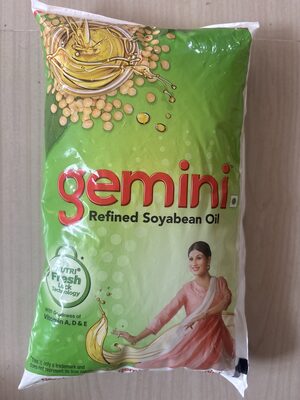
Nutrition per 100 g
| Nutrient | Vegetable Oil | Gemini |
|---|---|---|
| Nutri-Score | c | c |
| NOVA group | 2 | 4 |
| Calories | 929 kcal | 900 kcal |
| Fat | 100 g | 100 g |
| Saturated fat | 14.3 g | 21 g |
| Sugars | 0 g | 0 g |
| Salt | 0 g | 0 g |
| Fiber | 0 g | 0 g |
| Protein | 0 g | 0 g |
| Additives | 0 | 3 |
| Allergens | Soybeans | Soybeans |
Green = better value for that nutrient (less sugar, fat, salt and calories; more fiber and protein).
Key differences
- Vegetable Oil has 32% less saturated fat (14.3 g vs 21 g).
- Vegetable Oil is less processed (lower NOVA group).
Ingredients
Vegetable Oil
soybean oil.
Gemini
Refined Soyabean Oil, Antioxidant (INS 319), Vitamins (A, D), Antifoaming Agent (INS 900a) Saturated Fatty Acids may vary by Season, Region, Seed, Crop etc. DE
FAQ
Which is healthier: Vegetable Oil or Gemini?
Overall, Vegetable Oil has the better nutritional profile on the measures we compare. We compare Nutri-Score, processing level and seven nutrients per 100 g. Your own needs (for example low sugar or high protein) may make a different choice better for you.
Which has fewer calories?
Gemini has fewer calories: 900 kcal versus 929 kcal per 100 g.
Which has less sugar?
Vegetable Oil has less sugar: 0 g versus 0 g per 100 g.