
Saumon au naturel vs Scottish Loch Trout Fillets
Neither product is clearly better overall — it depends on what matters most to you.
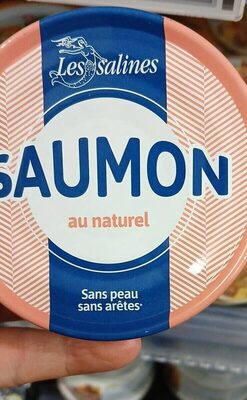
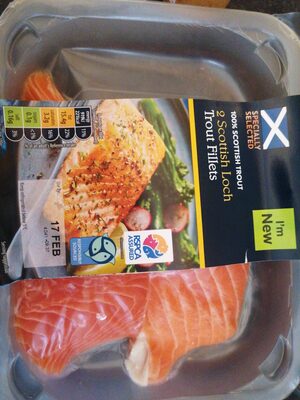
Nutrition per 100 g
| Nutrient | Saumon au naturel | Scottish Loch Trout Fillets |
|---|---|---|
| Nutri-Score | a | a |
| NOVA group | — | — |
| Calories | 192 kcal | 238 kcal |
| Fat | 12 g | 16.6 g |
| Saturated fat | 2.1 g | 3.4 g |
| Sugars | 0.5 g | 0.1 g |
| Salt | 0.8 g | 0.2 g |
| Fiber | 0 g | 0.4 g |
| Protein | 21 g | 21.6 g |
| Additives | 0 | 0 |
| Allergens | None listed | Fish |
Green = better value for that nutrient (less sugar, fat, salt and calories; more fiber and protein).
Key differences
- Saumon au naturel has 19% fewer calories (192 kcal vs 238 kcal).
- Saumon au naturel has 28% less fat (12 g vs 16.6 g).
- Saumon au naturel has 39% less saturated fat (2.1 g vs 3.4 g).
- Scottish Loch Trout Fillets has 78% less sugar (0.1 g vs 0.5 g).
- Scottish Loch Trout Fillets has 78% less salt (0.2 g vs 0.8 g).
- Scottish Loch Trout Fillets has 100% more fiber (0.4 g vs 0 g).
- Only Scottish Loch Trout Fillets lists: Fish.
Ingredients
Saumon au naturel
Not available.
Scottish Loch Trout Fillets
Trout Fi NUTRITION Scottish Rainbow Trout (Oncarynchus mykiss) (Fish) ALLERGY ADVICE For allergens, see ingredients in bold WARNING: Although every effort has been made to remove bones, some small ones may remain FILM TYPICAL V (cooked Energy Fat of which sa Carbohydra of which su Fibre Protein Salt Trout farmed in TRAY Don't recycle Recycle of home FREEZABLE RSPCA Assured standards by the
FAQ
Which is healthier: Saumon au naturel or Scottish Loch Trout Fillets?
Neither product is clearly better overall — it depends on what matters most to you. We compare Nutri-Score, processing level and seven nutrients per 100 g. Your own needs (for example low sugar or high protein) may make a different choice better for you.
Which has fewer calories?
Saumon au naturel has fewer calories: 192 kcal versus 238 kcal per 100 g.
Which has less sugar?
Scottish Loch Trout Fillets has less sugar: 0.1 g versus 0.5 g per 100 g.