
Comparison
Pollen de fleurs en pelote vs Pollen biologique
Overall, Pollen biologique has the better nutritional profile on the measures we compare. It wins on 5 of our comparison points versus 0.
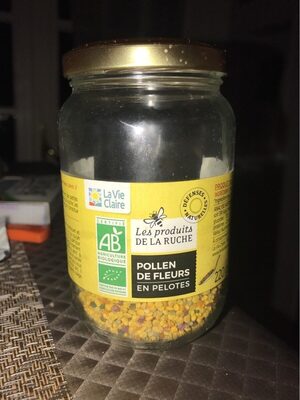
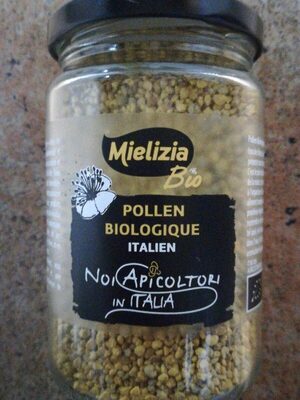
Nutrition per 100 g
| Nutrient | Pollen de fleurs en pelote | Pollen biologique |
|---|---|---|
| Nutri-Score | d | c |
| NOVA group | 1 | — |
| Calories | 394 kcal | 356 kcal |
| Fat | 7 g | 1.3 g |
| Saturated fat | 1.5 g | 0.3 g |
| Sugars | 41.6 g | 23 g |
| Salt | 0 g | 0 g |
| Fiber | 11.5 g | — |
| Protein | 22.8 g | 25 g |
| Additives | 0 | 0 |
| Allergens | None listed | None listed |
Green = better value for that nutrient (less sugar, fat, salt and calories; more fiber and protein).
Key differences
- Pollen biologique has 81% less fat (1.3 g vs 7 g).
- Pollen biologique has 80% less saturated fat (0.3 g vs 1.5 g).
- Pollen biologique has 45% less sugar (23 g vs 41.6 g).
- Pollen biologique has the better Nutri-Score.
Ingredients
Pollen de fleurs en pelote
Pollen de fleurs.
Pollen biologique
Not available.
FAQ
Which is healthier: Pollen de fleurs en pelote or Pollen biologique?
Overall, Pollen biologique has the better nutritional profile on the measures we compare. We compare Nutri-Score, processing level and seven nutrients per 100 g. Your own needs (for example low sugar or high protein) may make a different choice better for you.
Which has fewer calories?
Pollen biologique has fewer calories: 356 kcal versus 394 kcal per 100 g.
Which has less sugar?
Pollen biologique has less sugar: 23 g versus 41.6 g per 100 g.
More comparisons
Infusion En Gelée A L'al... vs Pollen biologique
Pollen de fleurs en pelo... vs Infusion En Gelée A L'al...
Gelée Royale Bio vs Pollen biologique
Pollen Maxi Saule 250G S... vs Pollen biologique
Trésor de la ruche vs Pollen biologique
Tonic' Gel Coup de Boost vs Pollen biologique
Stuifmeelkorrels vs Pollen biologique
Pollen de fleurs en pelo... vs Stuifmeelkorrels