
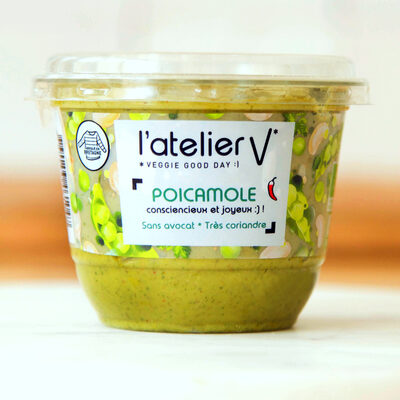
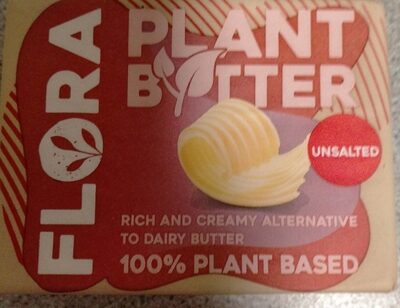
Poicamole vs Plant butter
Overall, Poicamole has the better nutritional profile on the measures we compare. It wins on 7 of our comparison points versus 2.
Nutrition per 100 g
| Nutrient | Poicamole | Plant butter |
|---|---|---|
| Nutri-Score | a | d |
| NOVA group | 3 | 4 |
| Calories | 216 kcal | 701 kcal |
| Fat | 17 g | 79 g |
| Saturated fat | 1.6 g | 47 g |
| Sugars | 2.2 g | 0.5 g |
| Salt | 0.7 g | 0 g |
| Fiber | 5 g | — |
| Protein | 5.2 g | 0.5 g |
| Additives | 0 | 2 |
| Allergens | Sesame seeds | None listed |
Green = better value for that nutrient (less sugar, fat, salt and calories; more fiber and protein).
Key differences
- Poicamole has 69% fewer calories (216 kcal vs 701 kcal).
- Poicamole has 78% less fat (17 g vs 79 g).
- Poicamole has 97% less saturated fat (1.6 g vs 47 g).
- Plant butter has 77% less sugar (0.5 g vs 2.2 g).
- Plant butter has no salt, while Poicamole has 0.7 g.
- Poicamole has 90% more protein (5.2 g vs 0.5 g).
- Poicamole has the better Nutri-Score.
- Poicamole is less processed (lower NOVA group).
- Only Poicamole lists: Sesame seeds.
Ingredients
Poicamole
Petit pois* 38 %, huile de colza*, haricot blanc* (origine France) 9,8 %, courge*, jus de citrons*, feuille de coriandre* 7,0 %, pâte de graines de sésame* décortiquées, échalote*, sel, yuzu* entier cueilli à maturité, huile de tournesol*, vinaigre d'alcool*, piment * 0,15% , épices*. * Ingrédient issu de l'agriculture biologique - Certification BIO par ECOCERT FR-BIO-01
Plant butter
plant oils (sustainable palm sunflower rapeseed) filtered water, fava bean preparation, plant-based emulsifier (sunflower lecithin), natural flavourings, unsalted
FAQ
Which is healthier: Poicamole or Plant butter?
Overall, Poicamole has the better nutritional profile on the measures we compare. We compare Nutri-Score, processing level and seven nutrients per 100 g. Your own needs (for example low sugar or high protein) may make a different choice better for you.
Which has fewer calories?
Poicamole has fewer calories: 216 kcal versus 701 kcal per 100 g.
Which has less sugar?
Plant butter has less sugar: 0.5 g versus 2.2 g per 100 g.