
Plain unsweetened ALMOND MILK YOGURT vs Dairy free almond milk yog strawberry
Overall, Plain unsweetened ALMOND MILK YOGURT has the better nutritional profile on the measures we compare. It wins on 4 of our comparison points versus 2.
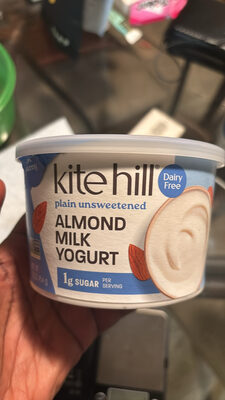
Plain unsweetened ALMOND MILK YOGURT
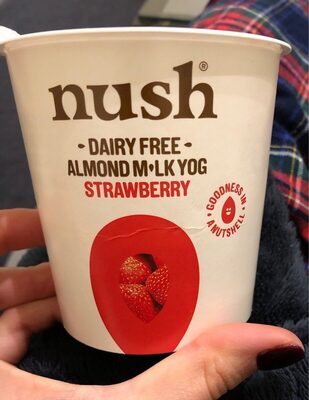
Dairy free almond milk yog strawberry
Nutrition per 100 g
| Nutrient | Plain unsweetened ALMOND MIL... | Dairy free almond milk yog s... |
|---|---|---|
| Nutri-Score | a | b |
| NOVA group | 4 | 4 |
| Calories | 100 kcal | 85 kcal |
| Fat | 7.1 g | 5.9 g |
| Saturated fat | 0.6 g | 0.5 g |
| Sugars | 0.6 g | 2.2 g |
| Salt | 0 g | 0.3 g |
| Fiber | 1.2 g | — |
| Protein | 2.9 g | 1.8 g |
| Additives | 3 | 1 |
| Allergens | Nuts | Nuts |
Green = better value for that nutrient (less sugar, fat, salt and calories; more fiber and protein).
Key differences
- Dairy free almond milk yog strawberry has 15% fewer calories (85 kcal vs 100 kcal).
- Dairy free almond milk yog strawberry has 16% less fat (5.9 g vs 7.1 g).
- Plain unsweetened ALMOND MILK YOGURT has 73% less sugar (0.6 g vs 2.2 g).
- Plain unsweetened ALMOND MILK YOGURT has 39% more protein (2.9 g vs 1.8 g).
- Plain unsweetened ALMOND MILK YOGURT has the better Nutri-Score.
Ingredients
Plain unsweetened ALMOND MILK YOGURT
Almond milk (water, almonds), locust bean gum, xanthan gum, agar, live active cultures: s.thermophilus, l bulgaricus lacidophilus and bifidobacteria.
Dairy free almond milk yog strawberry
Almond Drink (70%) (Filtered Water/Almonds), Strawberry Puree (25%) (Strawberries, Fruit Extract), Thickener: Tapioca Starch & Carob Gum, Live Vegan Cultures.
FAQ
Which is healthier: Plain unsweetened ALMOND MILK YOGURT or Dairy free almond milk yog strawberry?
Overall, Plain unsweetened ALMOND MILK YOGURT has the better nutritional profile on the measures we compare. We compare Nutri-Score, processing level and seven nutrients per 100 g. Your own needs (for example low sugar or high protein) may make a different choice better for you.
Which has fewer calories?
Dairy free almond milk yog strawberry has fewer calories: 85 kcal versus 100 kcal per 100 g.
Which has less sugar?
Plain unsweetened ALMOND MILK YOGURT has less sugar: 0.6 g versus 2.2 g per 100 g.