
Mild Salsa vs Original Sichuan Chili Crisp
Overall, Mild Salsa has the better nutritional profile on the measures we compare. It wins on 5 of our comparison points versus 2.
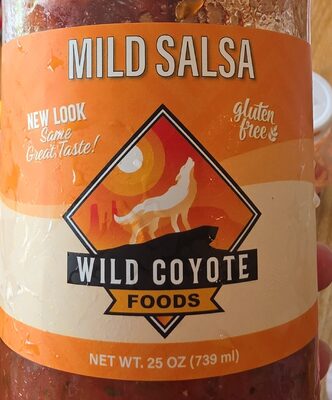
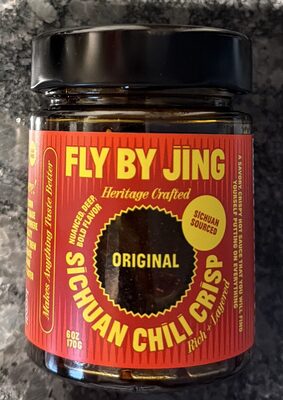
Nutrition per 100 g
| Nutrient | Mild Salsa | Original Sichuan Chili Crisp |
|---|---|---|
| Nutri-Score | c | e |
| NOVA group | 4 | 3 |
| Calories | 50 kcal | 600 kcal |
| Fat | 5 g | 60 g |
| Saturated fat | 1.3 g | 0 g |
| Sugars | 0 g | 0 g |
| Salt | 1.1 g | 3.3 g |
| Fiber | 0 g | 0 g |
| Protein | 0 g | 0 g |
| Additives | 1 | 0 |
| Allergens | None listed | Sesame seeds, Soybeans |
Green = better value for that nutrient (less sugar, fat, salt and calories; more fiber and protein).
Key differences
- Mild Salsa has 92% fewer calories (50 kcal vs 600 kcal).
- Mild Salsa has 92% less fat (5 g vs 60 g).
- Original Sichuan Chili Crisp has no saturated fat, while Mild Salsa has 1.3 g.
- Mild Salsa has 67% less salt (1.1 g vs 3.3 g).
- Mild Salsa has the better Nutri-Score.
- Original Sichuan Chili Crisp is less processed (lower NOVA group).
- Only Original Sichuan Chili Crisp lists: Sesame seeds, Soybeans.
Ingredients
Mild Salsa
Diced Tomatoes, Pureed Tomatoes, Onions, Green Chilis, Jalapeño Peppers, Cilantro, Tomato Juice, Spices, Salt, Vinegar, Maltodextrin, Cultured Dextrose, Sodium Benzoate, Disodium EDTA.
Original Sichuan Chili Crisp
Non-GMO rapeseed oil, Non-GMO soybean oil, dried chili pepper, fermented soybean (soybeans, water, salt, rice flour, spices), garlic, shallots, mushroom powder, ginger, sesame oil, salt, Sichuan pepper, seaweed powder, spices. Contains: soy, sesame
FAQ
Which is healthier: Mild Salsa or Original Sichuan Chili Crisp?
Overall, Mild Salsa has the better nutritional profile on the measures we compare. We compare Nutri-Score, processing level and seven nutrients per 100 g. Your own needs (for example low sugar or high protein) may make a different choice better for you.
Which has fewer calories?
Mild Salsa has fewer calories: 50 kcal versus 600 kcal per 100 g.
Which has less sugar?
Mild Salsa has less sugar: 0 g versus 0 g per 100 g.