
Kiełbasa Krakowska sucha vs Kabanossi Käse
Overall, Kiełbasa Krakowska sucha has the better nutritional profile on the measures we compare. It wins on 6 of our comparison points versus 1.
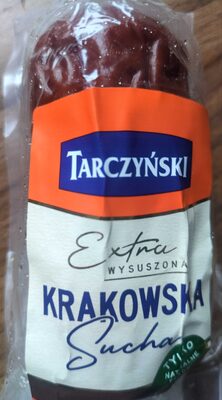
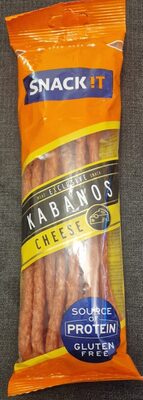
Nutrition per 100 g
| Nutrient | Kiełbasa Krakowska sucha | Kabanossi Käse |
|---|---|---|
| Nutri-Score | d | e |
| NOVA group | 4 | 4 |
| Calories | 164 kcal | 529 kcal |
| Fat | 6.9 g | 46 g |
| Saturated fat | 1.8 g | 18 g |
| Sugars | 1 g | 1.4 g |
| Salt | 3.1 g | 2.1 g |
| Fiber | 0 g | — |
| Protein | 24 g | 25 g |
| Additives | 0 | 3 |
| Allergens | None listed | Chicken, Milk |
Green = better value for that nutrient (less sugar, fat, salt and calories; more fiber and protein).
Key differences
- Kiełbasa Krakowska sucha has 69% fewer calories (164 kcal vs 529 kcal).
- Kiełbasa Krakowska sucha has 85% less fat (6.9 g vs 46 g).
- Kiełbasa Krakowska sucha has 90% less saturated fat (1.8 g vs 18 g).
- Kiełbasa Krakowska sucha has 29% less sugar (1 g vs 1.4 g).
- Kabanossi Käse has 32% less salt (2.1 g vs 3.1 g).
- Kiełbasa Krakowska sucha has the better Nutri-Score.
- Only Kabanossi Käse lists: Chicken, Milk.
Ingredients
Kiełbasa Krakowska sucha
Mięso wieprzowe z szynki, sól, przyprawy, aerola w proszku, aromaty naturalne
Kabanossi Käse
poultry meat (chicken, turkey), pork meat, pork fat, cheese (contains milk), starch, salt, spices, spices extracts, flavourings (contains milk), pork protein, sugar, antioxidant sodium ascorbate, preservative: sodium nitrite. Edible casing - gelling agent sodium alginate, stabilisers: cellulose, calcium chloride
FAQ
Which is healthier: Kiełbasa Krakowska sucha or Kabanossi Käse?
Overall, Kiełbasa Krakowska sucha has the better nutritional profile on the measures we compare. We compare Nutri-Score, processing level and seven nutrients per 100 g. Your own needs (for example low sugar or high protein) may make a different choice better for you.
Which has fewer calories?
Kiełbasa Krakowska sucha has fewer calories: 164 kcal versus 529 kcal per 100 g.
Which has less sugar?
Kiełbasa Krakowska sucha has less sugar: 1 g versus 1.4 g per 100 g.