
Emmental français râpé au lait cru vs Greek Style Natural Yoghurt
Overall, Greek Style Natural Yoghurt has the better nutritional profile on the measures we compare. It wins on 5 of our comparison points versus 3.
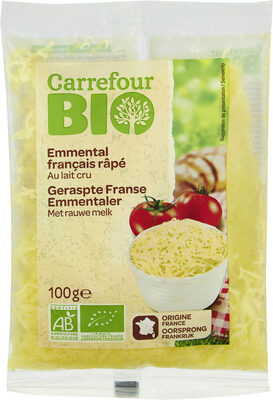
Emmental français râpé au lait cru
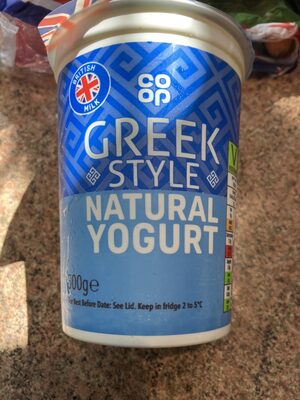
Greek Style Natural Yoghurt
Nutrition per 100 g
| Nutrient | Emmental français râpé au la... | Greek Style Natural Yoghurt |
|---|---|---|
| Nutri-Score | c | c |
| NOVA group | 3 | 1 |
| Calories | 391 kcal | 101 kcal |
| Fat | 30 g | 7.5 g |
| Saturated fat | 19 g | 5.1 g |
| Sugars | 0 g | 4.2 g |
| Salt | 0.5 g | 0.1 g |
| Fiber | 1.1 g | 0.5 g |
| Protein | 29 g | 3.9 g |
| Additives | 0 | 0 |
| Allergens | Milk | Milk |
Green = better value for that nutrient (less sugar, fat, salt and calories; more fiber and protein).
Key differences
- Greek Style Natural Yoghurt has 74% fewer calories (101 kcal vs 391 kcal).
- Greek Style Natural Yoghurt has 75% less fat (7.5 g vs 30 g).
- Greek Style Natural Yoghurt has 73% less saturated fat (5.1 g vs 19 g).
- Emmental français râpé au lait cru has no sugar, while Greek Style Natural Yoghurt has 4.2 g.
- Greek Style Natural Yoghurt has 82% less salt (0.1 g vs 0.5 g).
- Emmental français râpé au lait cru has 55% more fiber (1.1 g vs 0.5 g).
- Emmental français râpé au lait cru has 87% more protein (29 g vs 3.9 g).
- Greek Style Natural Yoghurt is less processed (lower NOVA group).
Ingredients
Emmental français râpé au lait cru
Lait cru biotogique de vache, sel, ferments lactiques, enzyme coagulante.
Greek Style Natural Yoghurt
Contains live cultures: Bifidobacterium, Lactobacillus bulgaricus, Streptococcus thermophilus. Milk.
FAQ
Which is healthier: Emmental français râpé au lait cru or Greek Style Natural Yoghurt?
Overall, Greek Style Natural Yoghurt has the better nutritional profile on the measures we compare. We compare Nutri-Score, processing level and seven nutrients per 100 g. Your own needs (for example low sugar or high protein) may make a different choice better for you.
Which has fewer calories?
Greek Style Natural Yoghurt has fewer calories: 101 kcal versus 391 kcal per 100 g.
Which has less sugar?
Emmental français râpé au lait cru has less sugar: 0 g versus 4.2 g per 100 g.