
Dinkel Flocken vs Bio Dinkelflöckli
Overall, Dinkel Flocken has the better nutritional profile on the measures we compare. It wins on 5 of our comparison points versus 0.
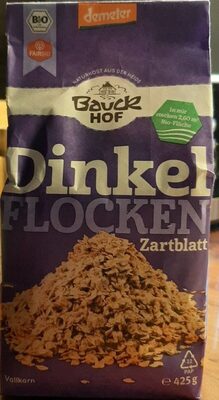
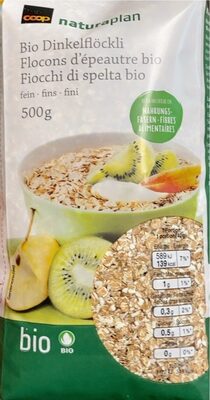
Nutrition per 100 g
| Nutrient | Dinkel Flocken | Bio Dinkelflöckli |
|---|---|---|
| Nutri-Score | a | a |
| NOVA group | 1 | — |
| Calories | 344 kcal | 348 kcal |
| Fat | 1.7 g | 2.6 g |
| Saturated fat | 0.2 g | 0.7 g |
| Sugars | 0.7 g | 1.3 g |
| Salt | 0 g | 0 g |
| Fiber | 10 g | 8.4 g |
| Protein | 17 g | 13 g |
| Additives | 0 | 0 |
| Allergens | Lupin, Mustard, Sesame seeds | None listed |
Green = better value for that nutrient (less sugar, fat, salt and calories; more fiber and protein).
Key differences
- Dinkel Flocken has 35% less fat (1.7 g vs 2.6 g).
- Dinkel Flocken has 71% less saturated fat (0.2 g vs 0.7 g).
- Dinkel Flocken has 46% less sugar (0.7 g vs 1.3 g).
- Dinkel Flocken has 16% more fiber (10 g vs 8.4 g).
- Dinkel Flocken has 24% more protein (17 g vs 13 g).
- Only Dinkel Flocken lists: Lupin, Mustard, Sesame seeds.
Ingredients
Dinkel Flocken
Dinkelvollkornflocken** **aus biologisch-dynamischem Anbau Dinkel ist eine Weizenart. Kann Spuren von anderen gluten - haltigen Getreidearten, Soja, Schalenfrüchten/Nüssen, Sesam, Senf und Lupinen enthalten.
Bio Dinkelflöckli
Bio Dinkelflocken (Herkunft: siehe Datierungsfeld). Ingrédients: flocons d'épeautre bio (provenance: voir date). Ingredienti: fiocchi di spelta bio (provenienza: vedi data). Nährwerte Ø Valeurs nutritives moyennes. Valori nutritivi medi www.coop.ch/foodprofil Energie Energie Energia Fett Matières grasses Grassi
FAQ
Which is healthier: Dinkel Flocken or Bio Dinkelflöckli?
Overall, Dinkel Flocken has the better nutritional profile on the measures we compare. We compare Nutri-Score, processing level and seven nutrients per 100 g. Your own needs (for example low sugar or high protein) may make a different choice better for you.
Which has fewer calories?
Dinkel Flocken has fewer calories: 344 kcal versus 348 kcal per 100 g.
Which has less sugar?
Dinkel Flocken has less sugar: 0.7 g versus 1.3 g per 100 g.