
Carrot & Coriander Soup vs Soupe Carotte Potiron
Overall, Carrot & Coriander Soup has the better nutritional profile on the measures we compare. It wins on 3 of our comparison points versus 2.
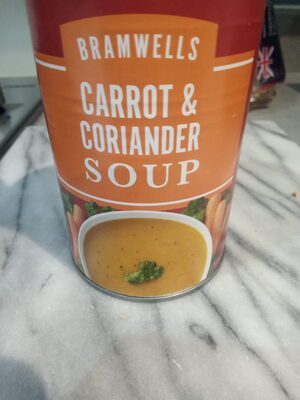
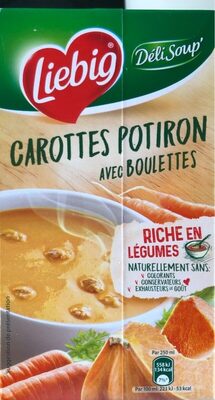
Nutrition per 100 g
| Nutrient | Carrot & Coriander Soup | Soupe Carotte Potiron |
|---|---|---|
| Nutri-Score | b | c |
| NOVA group | 4 | 4 |
| Calories | 41 kcal | 41 kcal |
| Fat | 1.6 g | 1.4 g |
| Saturated fat | 0.2 g | 0.6 g |
| Sugars | 4.1 g | 1.8 g |
| Salt | 0.6 g | 0.6 g |
| Fiber | 1.2 g | 1 g |
| Protein | 0.5 g | 1.4 g |
| Additives | 2 | 1 |
| Allergens | Milk | Gluten, Milk |
Green = better value for that nutrient (less sugar, fat, salt and calories; more fiber and protein).
Key differences
- Carrot & Coriander Soup has 67% less saturated fat (0.2 g vs 0.6 g).
- Soupe Carotte Potiron has 56% less sugar (1.8 g vs 4.1 g).
- Soupe Carotte Potiron has 64% more protein (1.4 g vs 0.5 g).
- Carrot & Coriander Soup has the better Nutri-Score.
- Only Soupe Carotte Potiron lists: Gluten.
Ingredients
Carrot & Coriander Soup
Water, CARROT (35%), ONION (5%), Modified Corn Starch, Sugar, Rapeseed Oil, Salt, Cream (Milk), Dried Skimmed Milk, Stabilisers: Polyphosphates, Sodium Phosphates; Coriander, Black Pepper.
Soupe Carotte Potiron
eau, légumes 31% (carotte 14%, tomate, oignon, potiron 3,9%), pomme de terre, boulettes 5% (viandes de porc et de bœuf, chapelure (contient du blé (gluten)), sel, épices et herbes), amidon modifié, huile de tournesol, crème fraîche, sucre, sel lactose et protéines de lait, arômes (contient du lait),
FAQ
Which is healthier: Carrot & Coriander Soup or Soupe Carotte Potiron?
Overall, Carrot & Coriander Soup has the better nutritional profile on the measures we compare. We compare Nutri-Score, processing level and seven nutrients per 100 g. Your own needs (for example low sugar or high protein) may make a different choice better for you.
Which has fewer calories?
Carrot & Coriander Soup has fewer calories: 41 kcal versus 41 kcal per 100 g.
Which has less sugar?
Soupe Carotte Potiron has less sugar: 1.8 g versus 4.1 g per 100 g.