
Butternut vs SINCE 1908 VIMTO NO ADDED SUGAR Real Fruit squash
Overall, Butternut has the better nutritional profile on the measures we compare. It wins on 3 of our comparison points versus 2.
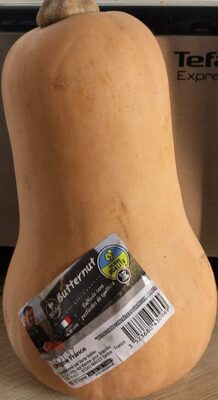
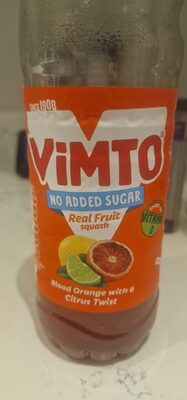
Nutrition per 100 g
| Nutrient | Butternut | SINCE 1908 VIMTO NO ADDED SU... |
|---|---|---|
| Nutri-Score | — | a |
| NOVA group | 1 | 4 |
| Calories | 45 kcal | 2 kcal |
| Fat | 0.1 g | 0 g |
| Saturated fat | 0 g | 0 g |
| Sugars | 1.9 g | 0.2 g |
| Salt | 0 g | 0 g |
| Fiber | 1 g | 0 g |
| Protein | 1.2 g | 0 g |
| Additives | 0 | 7 |
| Allergens | None listed | Apple, Orange |
Green = better value for that nutrient (less sugar, fat, salt and calories; more fiber and protein).
Key differences
- SINCE 1908 VIMTO NO ADDED SUGAR Real Fruit squash has 96% fewer calories (2 kcal vs 45 kcal).
- SINCE 1908 VIMTO NO ADDED SUGAR Real Fruit squash has 89% less sugar (0.2 g vs 1.9 g).
- Butternut has 100% more fiber (1 g vs 0 g).
- Butternut has 100% more protein (1.2 g vs 0 g).
- Butternut is less processed (lower NOVA group).
- Only SINCE 1908 VIMTO NO ADDED SUGAR Real Fruit squash lists: Apple, Orange.
Ingredients
Butternut
Butternut
SINCE 1908 VIMTO NO ADDED SUGAR Real Fruit squash
Water Mixed Fruit Juices from Concentrate 10% (Apple, Orange, Lemon, Lin Acts (Citric Acid, Malic Acid), Flavourings, Acidity Regulator (Sodium Crate), Stabilisers (Acacia Gum, Coconut Oil, Rapeseed Oil), Colouring Food (Concentrates of Carrot, Blackcurrant, Safflower), Sweeteners Sucralose, Acesulfame K), Preservatives (Potassium Sorbate, Sodium Benzoate), Vitamin D.
FAQ
Which is healthier: Butternut or SINCE 1908 VIMTO NO ADDED SUGAR Real Fruit squash?
Overall, Butternut has the better nutritional profile on the measures we compare. We compare Nutri-Score, processing level and seven nutrients per 100 g. Your own needs (for example low sugar or high protein) may make a different choice better for you.
Which has fewer calories?
SINCE 1908 VIMTO NO ADDED SUGAR Real Fruit squash has fewer calories: 2 kcal versus 45 kcal per 100 g.
Which has less sugar?
SINCE 1908 VIMTO NO ADDED SUGAR Real Fruit squash has less sugar: 0.2 g versus 1.9 g per 100 g.