
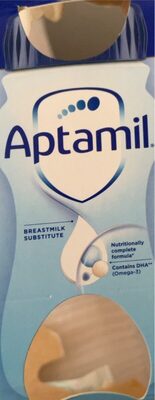
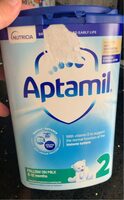
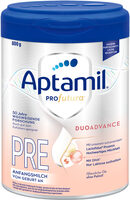
View full-size photo · Photo: Open Food Facts contributors, CC BY-SA
Aptamil
Aptamil by Aptamil provides 66 kcal per 100 g, with 7.2 g of sugars and 1.3 g of protein. That is 62% less sugar than the average product in this category. It is classified as NOVA 4 (ultra-processed food). It is listed in the Baby milks category. Contains: fish, milk, soybeans.
Nutrient levels per 100 g
Levels use UK front-of-pack reference thresholds.
Nutrition facts
| Nutrient | Per 100 g | Category avg |
|---|---|---|
| Calories | 66 kcal | 256 −74% |
| Total fat | 3.4 g | 12 −72% |
| Saturated fat | 1 g | 4 −75% |
| Carbohydrates | 7.3 g | 30.2 −76% |
| Total sugars | 7.2 g | 19.1 −62% |
| Added sugars | 0 g | 1.3 −100% |
| Dietary fiber | 0.6 g | 1.8 −66% |
| Protein | 1.3 g | 5.9 −78% |
| Salt | 0 g | 1.1 −100% |
*% Daily Value for 100 g, based on a 2,000-calorie diet (FDA reference values). Category average across 372 Baby milks products on Foodmetria.
Compared with other baby milks
Bar shows the share of products in this category that contain less of the nutrient.
Ingredients
Water, Dairy-based blend (of which 26% is fermented) [Skimmed milk, Lactose (from milk), Vegetable oils (High oleic sunflower oil, Coconut oil, Rapeseed oil, Sunflower oil), Demineralised whey (from milk), Emulsifier (Soy lecithin), Whey concentrate (from milk), Fish oil, Acidity regulator (Citric acid), Calcium phosphate, Potassium chloride, Vitamin C, Choline chloride, Sodium citrate, Potassium citrate, Inositol, Magnesium chloride, Pantothenic acid, Antioxidant (Vitamin C, Vitamin E, Nicotinamide, Calcium carbonate, Thiamin, Riboflavin, Vitamin B, Folic acid, Potassium iodide, Vitamin K₁, Biotin, Vitamin B₂], Galacto-oligosaccharides (GOS) (from milk), Milk protein, Emulsifier (Mono - & diglycerides of fatty acids), Fructo-oligosaccharides (FOS), Oil from Mortierella Alpina, M Potassium bicarbonate, Potassium hydroxide, Calcium hydroxide, Sodium chloride, Sodium bicarbonate, Sto Potassium dihydrogen phosphate, Ferrous lactate, Magnesium oxide, L-Carnitine, Zinc sulphate, Copper sulphate, as Vitamin A, Manganese sulphate, Sodium selenite, Vitamin D3
- Allergens
- FishMilkSoybeans
Additives 9
Overexposure risk is based on EFSA evaluations as recorded by Open Food Facts.
Product details
- Sold in
- United Kingdom
- Barcode
- 5051594009233
Prices reported by shoppers
Loading prices…
Frequently asked questions
How many calories are in Aptamil?
Aptamil contains 66 kcal per 100 g.
How much sugar is in Aptamil?
Aptamil has 7.2 g of sugars per 100 g, which is considered moderate by UK front-of-pack guidelines.
Is Aptamil healthy?
It is in NOVA group 4 — ultra-processed food. Scores describe nutritional quality and processing, not suitability for your individual diet.
Is Aptamil vegan?
Based on its ingredient list, it is not vegan.
What allergens does Aptamil contain?
According to the label data it contains: Fish, Milk, Soybeans. Recipes change — always check the package label.
Source: Open Food Facts (ODbL). Last updated March 27, 2026. Spotted a mistake? Edit this product on Open Food Facts. Not medical advice — always check the package label.
Reviews
Compare & rankings
Healthier alternatives
Best in category →Same category, meaningfully better on at least one measure and no worse on the others. Each card shows what improves.
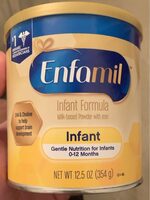
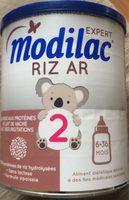
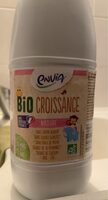
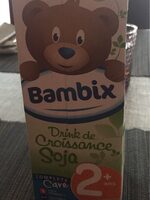
More baby milks
View all →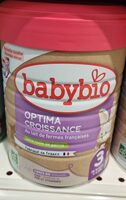 NOVA 4
 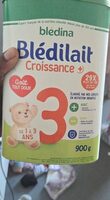 NOVA 4
 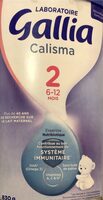 NOVA 4
  NOVA 4
 NOVA 4
 More from Aptamil
View all →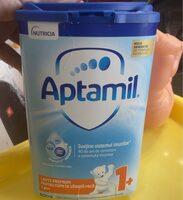 NOVA 4
  NOVA 4
  NOVA 4
  NOVA 1
  NOVA 4
  NOVA 4