
Tomato ketchup vs Heinz tomaten ketchup zero
Overall, Heinz tomaten ketchup zero has the better nutritional profile on the measures we compare. It wins on 6 of our comparison points versus 0.
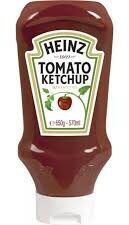
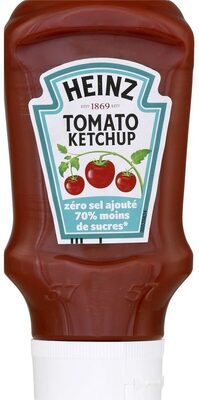
Nutrition per 100 g
| Nutrient | Tomato ketchup | Heinz tomaten ketchup zero |
|---|---|---|
| Nutri-Score | d | a |
| NOVA group | — | 4 |
| Calories | 102 kcal | 44 kcal |
| Fat | 0.1 g | 0.1 g |
| Saturated fat | 0.1 g | 0 g |
| Sugars | 22.8 g | 4.4 g |
| Salt | 1.8 g | 0.1 g |
| Protein | 1.2 g | 1.6 g |
| Additives | 0 | 2 |
| Allergens | Celery | Celery |
Green = better value for that nutrient (less sugar, fat, salt and calories; more fiber and protein).
Key differences
- Heinz tomaten ketchup zero has 57% fewer calories (44 kcal vs 102 kcal).
- Heinz tomaten ketchup zero has 81% less sugar (4.4 g vs 22.8 g).
- Heinz tomaten ketchup zero has 97% less salt (0.1 g vs 1.8 g).
- Heinz tomaten ketchup zero has 25% more protein (1.6 g vs 1.2 g).
- Heinz tomaten ketchup zero has the better Nutri-Score.
Ingredients
Tomato ketchup
de nos ,quot,tomates müries au soleil, que nous cultivons avec passion et expertise, ARÖMES NATURELS SEULEMENT SANS CONSERVATEUR •SANS ÉPAISSISSANT - VÉGANE SANS GLUTEN Tomates (148 g pour 100 g de Tomato Ketchup), vinaigre d'alcool, sUcTe, sel, exstraits d épices et d' herbes (contiennent du céleri), épice, 35665232 nt
Heinz tomaten ketchup zero
tomatoes (200g per 100g of tomato ketchup), spirit vinegar, lemon juice concentrate, potassium chloride, acidifier (malic acid), citrus fibre, spice and herb extracts (contains celery), sweetener (sucralose),
FAQ
Which is healthier: Tomato ketchup or Heinz tomaten ketchup zero?
Overall, Heinz tomaten ketchup zero has the better nutritional profile on the measures we compare. We compare Nutri-Score, processing level and seven nutrients per 100 g. Your own needs (for example low sugar or high protein) may make a different choice better for you.
Which has fewer calories?
Heinz tomaten ketchup zero has fewer calories: 44 kcal versus 102 kcal per 100 g.
Which has less sugar?
Heinz tomaten ketchup zero has less sugar: 4.4 g versus 22.8 g per 100 g.