
Pure Vegetable Oil vs Olio di soia
Overall, Pure Vegetable Oil has the better nutritional profile on the measures we compare. It wins on 3 of our comparison points versus 0.
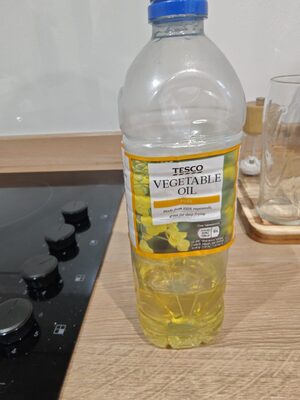
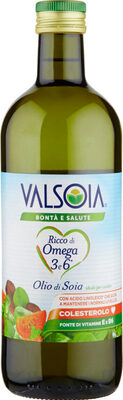
Nutrition per 100 g
| Nutrient | Pure Vegetable Oil | Olio di soia |
|---|---|---|
| Nutri-Score | b | c |
| NOVA group | 2 | — |
| Calories | 825 kcal | 828 kcal |
| Fat | 91.7 g | 92 g |
| Saturated fat | 7.3 g | 16 g |
| Sugars | 0 g | 0 g |
| Salt | 0 g | 0 g |
| Fiber | 0 g | — |
| Protein | 0 g | 0 g |
| Additives | 0 | 0 |
| Allergens | None listed | None listed |
Green = better value for that nutrient (less sugar, fat, salt and calories; more fiber and protein).
Key differences
- Pure Vegetable Oil has 54% less saturated fat (7.3 g vs 16 g).
- Pure Vegetable Oil has the better Nutri-Score.
Ingredients
Pure Vegetable Oil
Rapeseed oil
Olio di soia
OLDI SEMI DI SOIA IN REDIENTI: olio di semi di soia, vitamina E aceta vitamina B6 dipalmitato. Conservare in luogo fresco e al riparo dalla luce. Dichiarazione nutrizionale Energia Grassi un cucchiaio 100 ml (10ml/9,2g) 929 di cui acidi grassi saturi acidi grassi monoinsaturi acidi grassi polinsaturi Carboidrati di cui: zuccheri Fibre Proteine Sale Vitamina E Vitamina B6 340 3400 83 9,2 1,4
FAQ
Which is healthier: Pure Vegetable Oil or Olio di soia?
Overall, Pure Vegetable Oil has the better nutritional profile on the measures we compare. We compare Nutri-Score, processing level and seven nutrients per 100 g. Your own needs (for example low sugar or high protein) may make a different choice better for you.
Which has fewer calories?
Pure Vegetable Oil has fewer calories: 825 kcal versus 828 kcal per 100 g.
Which has less sugar?
Pure Vegetable Oil has less sugar: 0 g versus 0 g per 100 g.