
Nesquik vs Cereal de trigo e milho torrado, com cacau
Overall, Cereal de trigo e milho torrado, com cacau has the better nutritional profile on the measures we compare. It wins on 3 of our comparison points versus 0.
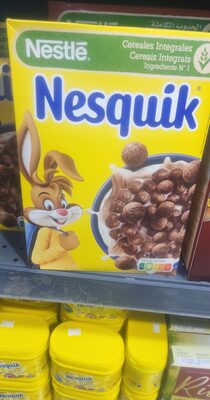
Nesquik
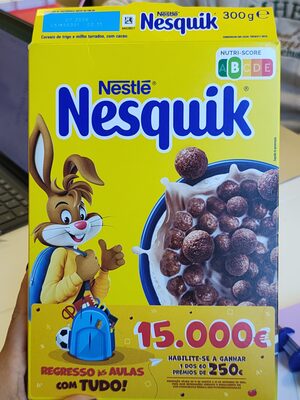
Cereal de trigo e milho torrado, com cacau
Nutrition per 100 g
| Nutrient | Nesquik | Cereal de trigo e milho torr... |
|---|---|---|
| Nutri-Score | c | b |
| NOVA group | 4 | 4 |
| Calories | 377 kcal | 378 kcal |
| Fat | 2.8 g | 3 g |
| Saturated fat | 1.1 g | 0.7 g |
| Sugars | 22.4 g | 22.1 g |
| Salt | 0.2 g | 0.2 g |
| Fiber | 8.6 g | 9.3 g |
| Protein | 8.5 g | 8.7 g |
| Additives | 0 | 0 |
| Allergens | Gluten | Gluten |
Green = better value for that nutrient (less sugar, fat, salt and calories; more fiber and protein).
Key differences
- Cereal de trigo e milho torrado, com cacau has 36% less saturated fat (0.7 g vs 1.1 g).
- Cereal de trigo e milho torrado, com cacau has the better Nutri-Score.
Ingredients
Nesquik
whole wheat flour (51,4%), sugar, corn grits (17,2%), dehydrated glucose syrup, defatted cocoa powder (5,6%), calcium carbonate, salt, natural flavouring, iron, niacin, pantothenic acid, vitamin d, vitamin b6, thiamine, riboflavin, folic acid, may contain milk, peanuts and nuts, to produce 100 g of this product we have used 53,1 g of whole grain,
Cereal de trigo e milho torrado, com cacau
Farinha de _trigo_ integral (53,1%), açúcar, sémola de milho (17,2%), xarope de glucose, cacau magro em pó (5,6%), carbonato de cálcio, contém óleo de girassol e/ou óleo de palma, sal, aromas naturais, ferro, niacina, ácido pantoténico, vitamina D, vitamina B6, tiamina, riboflavina, ácido fólico.
FAQ
Which is healthier: Nesquik or Cereal de trigo e milho torrado, com cacau?
Overall, Cereal de trigo e milho torrado, com cacau has the better nutritional profile on the measures we compare. We compare Nutri-Score, processing level and seven nutrients per 100 g. Your own needs (for example low sugar or high protein) may make a different choice better for you.
Which has fewer calories?
Nesquik has fewer calories: 377 kcal versus 378 kcal per 100 g.
Which has less sugar?
Cereal de trigo e milho torrado, com cacau has less sugar: 22.1 g versus 22.4 g per 100 g.