
Maquereaux vin blanc et aromates vs Filets de Maquereaux au Vin Blanc
Overall, Maquereaux vin blanc et aromates has the better nutritional profile on the measures we compare. It wins on 5 of our comparison points versus 1.
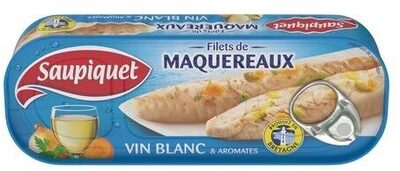
Maquereaux vin blanc et aromates
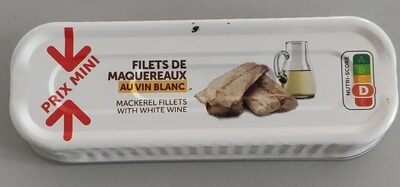
Filets de Maquereaux au Vin Blanc
Nutrition per 100 g
| Nutrient | Maquereaux vin blanc et arom... | Filets de Maquereaux au Vin... |
|---|---|---|
| Nutri-Score | c | d |
| NOVA group | 1 | — |
| Calories | 158 kcal | 239 kcal |
| Fat | 12 g | 18 g |
| Saturated fat | 2.8 g | 5 g |
| Sugars | 0.5 g | 0.5 g |
| Salt | 1.3 g | 1.5 g |
| Fiber | — | 0.5 g |
| Protein | 12 g | 19 g |
| Additives | 0 | 0 |
| Allergens | None listed | None listed |
Green = better value for that nutrient (less sugar, fat, salt and calories; more fiber and protein).
Key differences
- Maquereaux vin blanc et aromates has 34% fewer calories (158 kcal vs 239 kcal).
- Maquereaux vin blanc et aromates has 33% less fat (12 g vs 18 g).
- Maquereaux vin blanc et aromates has 44% less saturated fat (2.8 g vs 5 g).
- Filets de Maquereaux au Vin Blanc has 37% more protein (19 g vs 12 g).
- Maquereaux vin blanc et aromates has the better Nutri-Score.
Ingredients
Maquereaux vin blanc et aromates
AU VIN BLANC ET AUX AROMATES
Filets de Maquereaux au Vin Blanc
FRets de moquereoamoriés auvinblac etaa aomdtes Moderd flats moinctedin wte wine ondegetotles hgidetRa 5a vogetacos, viogede vin blanc ortert des sutng vi tonci8% ortert des sufs, omdes 2 Fotes oigpuns, poiros, aines cta gEOertsce es50 wie spirt vineg, hte wine inego gos soht hte ang 3 8coi uphtes vegetbles2 2at oiors, pegpes, sat, n
FAQ
Which is healthier: Maquereaux vin blanc et aromates or Filets de Maquereaux au Vin Blanc?
Overall, Maquereaux vin blanc et aromates has the better nutritional profile on the measures we compare. We compare Nutri-Score, processing level and seven nutrients per 100 g. Your own needs (for example low sugar or high protein) may make a different choice better for you.
Which has fewer calories?
Maquereaux vin blanc et aromates has fewer calories: 158 kcal versus 239 kcal per 100 g.
Which has less sugar?
Maquereaux vin blanc et aromates has less sugar: 0.5 g versus 0.5 g per 100 g.