
Kuzu vs Tteokbokki
Overall, Kuzu has the better nutritional profile on the measures we compare. It wins on 5 of our comparison points versus 1.
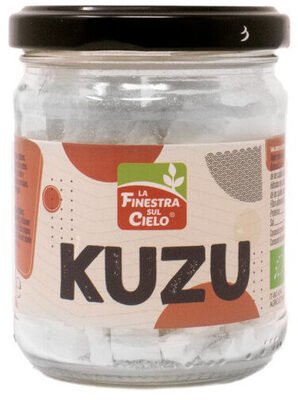
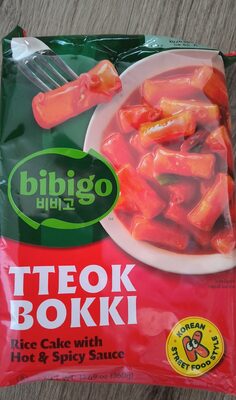
Nutrition per 100 g
| Nutrient | Kuzu | Tteokbokki |
|---|---|---|
| Nutri-Score | c | d |
| NOVA group | — | 4 |
| Calories | 342 kcal | 312 kcal |
| Fat | 0.2 g | 2.2 g |
| Saturated fat | 0 g | 0 g |
| Sugars | 0.2 g | 21.3 g |
| Salt | 0.1 g | 1.5 g |
| Fiber | — | 3.1 g |
| Protein | 0.3 g | 10.6 g |
| Additives | 0 | 11 |
| Allergens | None listed | Gluten, Sesame seeds, Soybeans |
Green = better value for that nutrient (less sugar, fat, salt and calories; more fiber and protein).
Key differences
- Kuzu has 91% less fat (0.2 g vs 2.2 g).
- Kuzu has 99% less sugar (0.2 g vs 21.3 g).
- Kuzu has 97% less salt (0.1 g vs 1.5 g).
- Tteokbokki has 97% more protein (10.6 g vs 0.3 g).
- Kuzu has the better Nutri-Score.
- Only Tteokbokki lists: Gluten, Sesame seeds, Soybeans.
Ingredients
Kuzu
raiz de Kuzu de agricultura ecológlca.
Tteokbokki
Rice, Distilled Alcohol, Rice Bran Extract, Lactic Acid, Water, Maltitol Syrup, Acetic Acid, Trisodium Citrate, Salt, Sugar, Red Pepper Powder, Maltodextrin, Modified Potato Starch, Seasoning Mix (Salt, Monosodium Glutamate, Garlic Powder, Onion Powder, Soy Sauce (Defatted Soybean, Corn Gluten), Wheat Starch, Palm Oil, Glucose, Hydrolyzed Soy Protein, Seasoned Soy Sauce (Soy Sauce (Defatted Soybean, Corn Gluten), Palm Oil, Yeast Extract, Xylose, Onion Concentrate), Black Pepper Powder, Disodium Guanylate, Disodium Inosinate, Onion Seasoning Oil, Garlic Flavored Seasoning, Garlic Powder, Yeast Extract, Natural Flavor, Silicon Dioxide, Oleoresin Paprika, Ascorbic Acid, Oleoresin Capsicum, Spicy Seasoning (Maltodextrin, Arabic Gum, Chili Extract), Black Pepper Powder. Contains Soy, Wheat, Sesame.
FAQ
Which is healthier: Kuzu or Tteokbokki?
Overall, Kuzu has the better nutritional profile on the measures we compare. We compare Nutri-Score, processing level and seven nutrients per 100 g. Your own needs (for example low sugar or high protein) may make a different choice better for you.
Which has fewer calories?
Tteokbokki has fewer calories: 312 kcal versus 342 kcal per 100 g.
Which has less sugar?
Kuzu has less sugar: 0.2 g versus 21.3 g per 100 g.