
Kichererbsenmehl vs Farina di ceci
Overall, Kichererbsenmehl has the better nutritional profile on the measures we compare. It wins on 2 of our comparison points versus 0.
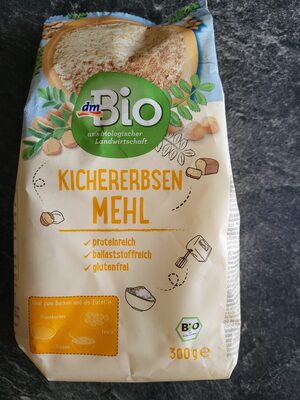
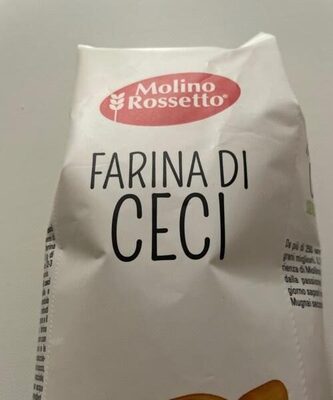
Nutrition per 100 g
| Nutrient | Kichererbsenmehl | Farina di ceci |
|---|---|---|
| Nutri-Score | a | a |
| NOVA group | — | — |
| Calories | 361 kcal | 355 kcal |
| Fat | 6.2 g | 6.6 g |
| Saturated fat | 0.9 g | 1 g |
| Sugars | 2.7 g | 3.5 g |
| Salt | 0 g | 0 g |
| Fiber | 13 g | 9 g |
| Protein | 22 g | 21.3 g |
| Additives | 0 | 0 |
| Allergens | None listed | None listed |
Green = better value for that nutrient (less sugar, fat, salt and calories; more fiber and protein).
Key differences
- Kichererbsenmehl has 23% less sugar (2.7 g vs 3.5 g).
- Kichererbsenmehl has 31% more fiber (13 g vs 9 g).
Ingredients
Kichererbsenmehl
U B 737 F Bio aus biologischer Landwirtschaft ⚫ KICHERERBSEN MEHL ✓ proteinreich ✓ballaststoffreich ✓glutenfrel obrad Co snutog na strane s pakiran Punjen Seo Ea Съставки: брашно Moe C се консумира в orac H2 solar Пра Onacave Ideal zum Backen und als Zutat in: Plakatha Suppen Falafes a ΒΙΟ 300 ge FRO
Farina di ceci
La farina di ceci è l'ingrediente base nella preparazione di alcune ricette regionali come le panelle siciliane, la panissa, la farinata ligure e la cecina toscana. Può contenere soia.
FAQ
Which is healthier: Kichererbsenmehl or Farina di ceci?
Overall, Kichererbsenmehl has the better nutritional profile on the measures we compare. We compare Nutri-Score, processing level and seven nutrients per 100 g. Your own needs (for example low sugar or high protein) may make a different choice better for you.
Which has fewer calories?
Farina di ceci has fewer calories: 355 kcal versus 361 kcal per 100 g.
Which has less sugar?
Kichererbsenmehl has less sugar: 2.7 g versus 3.5 g per 100 g.