
Comparison
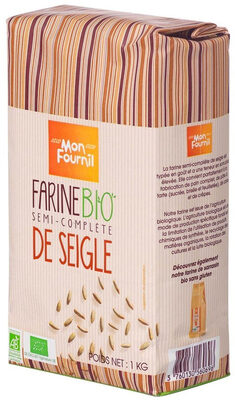
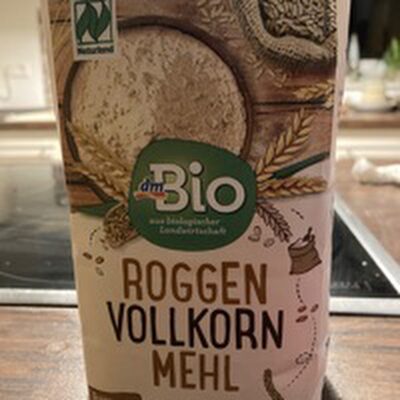
Farine semi-complète de seigle bio vs Roggen Vollkornmehl
Neither product is clearly better overall — it depends on what matters most to you.
Nutrition per 100 g
| Nutrient | Farine semi-complète de seig... | Roggen Vollkornmehl |
|---|---|---|
| Nutri-Score | a | a |
| NOVA group | 1 | 1 |
| Calories | 328 kcal | 331 kcal |
| Fat | 1.3 g | 2.1 g |
| Saturated fat | 0.2 g | 0.3 g |
| Sugars | 1 g | 0.9 g |
| Salt | 0 g | 0 g |
| Fiber | 8.6 g | 15 g |
| Protein | 7.7 g | 8.2 g |
| Additives | 0 | 0 |
| Allergens | Gluten | Gluten |
Green = better value for that nutrient (less sugar, fat, salt and calories; more fiber and protein).
Key differences
- Farine semi-complète de seigle bio has 38% less fat (1.3 g vs 2.1 g).
- Roggen Vollkornmehl has 43% more fiber (15 g vs 8.6 g).
Ingredients
Farine semi-complète de seigle bio
Farine complète de seigle
Roggen Vollkornmehl
ROGGENVOLLKORNMEHL. *aus biologischer Landwirtschaft
FAQ
Which is healthier: Farine semi-complète de seigle bio or Roggen Vollkornmehl?
Neither product is clearly better overall — it depends on what matters most to you. We compare Nutri-Score, processing level and seven nutrients per 100 g. Your own needs (for example low sugar or high protein) may make a different choice better for you.
Which has fewer calories?
Farine semi-complète de seigle bio has fewer calories: 328 kcal versus 331 kcal per 100 g.
Which has less sugar?
Roggen Vollkornmehl has less sugar: 0.9 g versus 1 g per 100 g.
More comparisons
Pain nordique vs Farine semi-complète de...
Roggen Vollkornmehl vs Wholemeal Rye Flour imp
Roggen Vollkornmehl vs Roggenvollkornmehl
Pain nordique vs Roggen Vollkornmehl
Roggen Vollkornmehl vs Roggenmehl 1150
Roggen Vollkornmehl vs Roggenvollkornmehl
Farine de seigle type 13... vs Roggen Vollkornmehl
Farine semi-complète de... vs Wholemeal Rye Flour imp