
Danone Danonino Pouch Erdbeere 70g vs +Proteínas Plátano
Overall, +Proteínas Plátano has the better nutritional profile on the measures we compare. It wins on 7 of our comparison points versus 1.
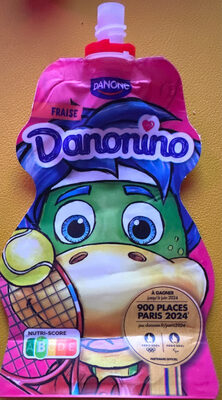
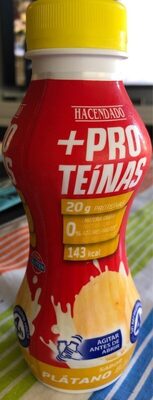
Nutrition per 100 g
| Nutrient | Danone Danonino Pouch Erdbee... | +Proteínas Plátano |
|---|---|---|
| Nutri-Score | e | c |
| NOVA group | 4 | 4 |
| Calories | 88 kcal | 51 kcal |
| Fat | 2.8 g | 0.4 g |
| Saturated fat | 1.8 g | 0.2 g |
| Sugars | 10.5 g | 4.5 g |
| Salt | 0.1 g | 0.1 g |
| Fiber | 0.3 g | 0 g |
| Protein | 3.6 g | 7.1 g |
| Additives | 0 | 4 |
| Allergens | Milk | Milk |
Green = better value for that nutrient (less sugar, fat, salt and calories; more fiber and protein).
Key differences
- +Proteínas Plátano has 42% fewer calories (51 kcal vs 88 kcal).
- +Proteínas Plátano has 86% less fat (0.4 g vs 2.8 g).
- +Proteínas Plátano has 89% less saturated fat (0.2 g vs 1.8 g).
- +Proteínas Plátano has 57% less sugar (4.5 g vs 10.5 g).
- Danone Danonino Pouch Erdbeere 70g has 100% more fiber (0.3 g vs 0 g).
- +Proteínas Plátano has 49% more protein (7.1 g vs 3.6 g).
- +Proteínas Plátano has the better Nutri-Score.
Ingredients
Danone Danonino Pouch Erdbeere 70g
teilentrahmte Milch (74,7%), Zucker (6,9%), Erdbeeren (6,2%), Rahm (Milch), Stärke, Milcheiweiss, Verdickung.
+Proteínas Plátano
Leche fresca pasteurizada desnatada, agua, proteinas de la leche, leche concentrada pasteurizada desnatada, almidón modificado de maiz, aromas, espesante (goma gellan), lactasa, fermento lacticos, extracto de zanahoria, colorante (curcumina) y edulcorantes (acesulfamo potásico y sucralosa)
FAQ
Which is healthier: Danone Danonino Pouch Erdbeere 70g or +Proteínas Plátano?
Overall, +Proteínas Plátano has the better nutritional profile on the measures we compare. We compare Nutri-Score, processing level and seven nutrients per 100 g. Your own needs (for example low sugar or high protein) may make a different choice better for you.
Which has fewer calories?
+Proteínas Plátano has fewer calories: 51 kcal versus 88 kcal per 100 g.
Which has less sugar?
+Proteínas Plátano has less sugar: 4.5 g versus 10.5 g per 100 g.