
Collagen skin care, fruit taste vs Swiss Bovine Collagen Peptides
Overall, Swiss Bovine Collagen Peptides has the better nutritional profile on the measures we compare. It wins on 3 of our comparison points versus 1.
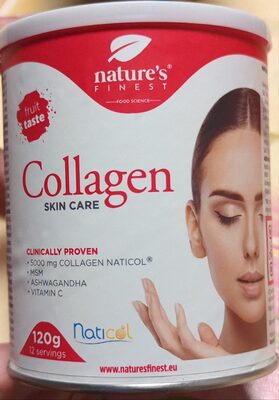
Collagen skin care, fruit taste
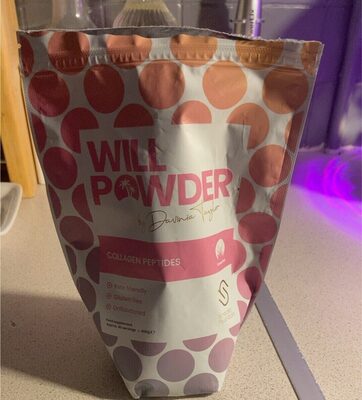
Swiss Bovine Collagen Peptides
Nutrition per 100 g
| Nutrient | Collagen skin care, fruit ta... | Swiss Bovine Collagen Peptid... |
|---|---|---|
| Nutri-Score | a | — |
| NOVA group | 4 | — |
| Calories | 348 kcal | 360 kcal |
| Fat | 1 g | 0.1 g |
| Saturated fat | 0 g | 0 g |
| Sugars | 1.5 g | 0 g |
| Salt | 0.1 g | — |
| Fiber | 0.4 g | 0 g |
| Protein | 47 g | 93 g |
| Additives | 2 | 0 |
| Allergens | Fish | None listed |
Green = better value for that nutrient (less sugar, fat, salt and calories; more fiber and protein).
Key differences
- Swiss Bovine Collagen Peptides has 90% less fat (0.1 g vs 1 g).
- Swiss Bovine Collagen Peptides has no sugar, while Collagen skin care, fruit taste has 1.5 g.
- Collagen skin care, fruit taste has 100% more fiber (0.4 g vs 0 g).
- Swiss Bovine Collagen Peptides has 49% more protein (93 g vs 47 g).
- Only Collagen skin care, fruit taste lists: Fish.
Ingredients
Collagen skin care, fruit taste
Naticol (collagen peptide (fish) powder (50%) Maltodextrin, MSM (Methyl sulphonyl methane) powder, Ashwagandha (Withania Somnifera (L) Dure root) powder, strawberry flavour, stabilizer: cellulose, Vitamin C (ascorbic acid), red beet concentrate maltodextrin, red beet powder (Beta vulgaris)], sweetener: steviol glycosides from stevia.
Swiss Bovine Collagen Peptides
Hydrolysed bovine collagen peptides from pasture-raised, grass-fed cows.
FAQ
Which is healthier: Collagen skin care, fruit taste or Swiss Bovine Collagen Peptides?
Overall, Swiss Bovine Collagen Peptides has the better nutritional profile on the measures we compare. We compare Nutri-Score, processing level and seven nutrients per 100 g. Your own needs (for example low sugar or high protein) may make a different choice better for you.
Which has fewer calories?
Collagen skin care, fruit taste has fewer calories: 348 kcal versus 360 kcal per 100 g.
Which has less sugar?
Swiss Bovine Collagen Peptides has less sugar: 0 g versus 1.5 g per 100 g.