
Classic chai cinnamon spice vs Chai Latte Stick - Cinnamon
Neither product is clearly better overall — it depends on what matters most to you.
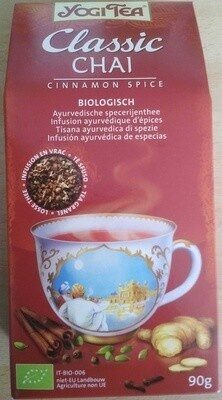
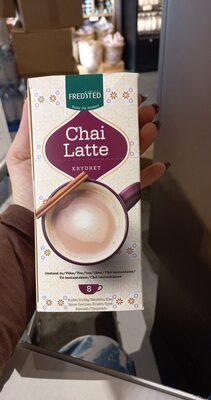
Nutrition per 100 g
| Nutrient | Classic chai cinnamon spice | Chai Latte Stick - Cinnamon |
|---|---|---|
| Nutri-Score | — | — |
| NOVA group | 1 | 4 |
| Calories | 178 kcal | 53 kcal |
| Fat | 4.1 g | 0.9 g |
| Saturated fat | 1.3 g | 0.9 g |
| Sugars | 2.1 g | 8.5 g |
| Salt | 0.1 g | 0.2 g |
| Fiber | 40.1 g | — |
| Protein | 6 g | 1.1 g |
| Additives | 0 | 6 |
| Allergens | None listed | Milk |
Green = better value for that nutrient (less sugar, fat, salt and calories; more fiber and protein).
Key differences
- Chai Latte Stick - Cinnamon has 70% fewer calories (53 kcal vs 178 kcal).
- Chai Latte Stick - Cinnamon has 78% less fat (0.9 g vs 4.1 g).
- Chai Latte Stick - Cinnamon has 29% less saturated fat (0.9 g vs 1.3 g).
- Classic chai cinnamon spice has 75% less sugar (2.1 g vs 8.5 g).
- Classic chai cinnamon spice has 82% more protein (6 g vs 1.1 g).
- Classic chai cinnamon spice is less processed (lower NOVA group).
- Only Chai Latte Stick - Cinnamon lists: Milk.
Ingredients
Classic chai cinnamon spice
Cannelle* (55%), cardamome*, gingembre*, clous de girofle*, poivre noir*. *agriculture biologique
Chai Latte Stick - Cinnamon
Sucre, LAIT ÉCRÉMÉ EN POUDRE, sirop de glucose, POUDRE DE LACTOSERUM, LACTOSE, graisses de noix de coco végétales trempées, extrait de thé 2%, Antioxydant (E551), sel, cannelle, PROTÉINES DE LAIT, stabilisants d'arômes (E340(ii), E452(1), émulsifiants (E471, E472e). IT Ingredienti: Zucchero, Oo
FAQ
Which is healthier: Classic chai cinnamon spice or Chai Latte Stick - Cinnamon?
Neither product is clearly better overall — it depends on what matters most to you. We compare Nutri-Score, processing level and seven nutrients per 100 g. Your own needs (for example low sugar or high protein) may make a different choice better for you.
Which has fewer calories?
Chai Latte Stick - Cinnamon has fewer calories: 53 kcal versus 178 kcal per 100 g.
Which has less sugar?
Classic chai cinnamon spice has less sugar: 2.1 g versus 8.5 g per 100 g.