
Choux de choucroute vs Choucroute au vin blanc
Neither product is clearly better overall — it depends on what matters most to you.
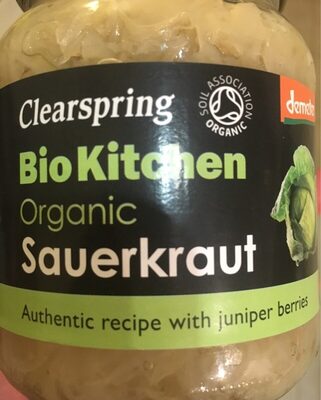
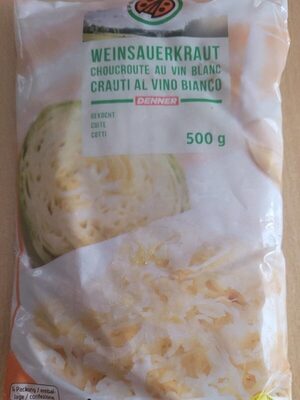
Nutrition per 100 g
| Nutrient | Choux de choucroute | Choucroute au vin blanc |
|---|---|---|
| Nutri-Score | c | c |
| NOVA group | — | — |
| Calories | 24 kcal | 25 kcal |
| Fat | 0.1 g | 0.8 g |
| Saturated fat | 0 g | 0.1 g |
| Sugars | 3.1 g | 1 g |
| Salt | 2 g | 1.8 g |
| Protein | 1.2 g | 1.4 g |
| Additives | 0 | 1 |
| Allergens | None listed | Sulphur dioxide and sulphites |
Green = better value for that nutrient (less sugar, fat, salt and calories; more fiber and protein).
Key differences
- Choux de choucroute has 88% less fat (0.1 g vs 0.8 g).
- Choucroute au vin blanc has 68% less sugar (1 g vs 3.1 g).
- Only Choucroute au vin blanc lists: Sulphur dioxide and sulphites.
Ingredients
Choux de choucroute
Not available.
Choucroute au vin blanc
Weisskabis* 88%, Wasser, Weisswein 1,8% (enthält Sulfite), Kochsalz, Zucker, Sonnenblumenöl, Zwiebelpulver, Würze, Zwiebeln getrocknet, Antioxi - dationsmittel: Ascorbinsäure. *in IP-SUISSE Qualität Ingrédients: chou blanc 88%, eau, vin blanc 1,8% (contient des sulfites), sel de cuisine, sucre, huile de tournesol, oignons en poudre, condiment, oignons déshydratés, antioxydant: acide ascorbique. *de qualité IP-SUISSE Ingredienti: cavolo bianco* 88%, acqua, vino bianco (contie - ne solfiti), sale da cucina, zucchero, olio di girasole, cipolle in polvere, condimento, cipolle essiccate, antiossidante: acido ascorbico. *di qualità IP-SUISSE SE K IP-SUISSE-Produkte umweltschonend werden hergestellt. IP-SUISSE setzt sich für die
FAQ
Which is healthier: Choux de choucroute or Choucroute au vin blanc?
Neither product is clearly better overall — it depends on what matters most to you. We compare Nutri-Score, processing level and seven nutrients per 100 g. Your own needs (for example low sugar or high protein) may make a different choice better for you.
Which has fewer calories?
Choux de choucroute has fewer calories: 24 kcal versus 25 kcal per 100 g.
Which has less sugar?
Choucroute au vin blanc has less sugar: 1 g versus 3.1 g per 100 g.