
Chocolate Cupcake vs Air Fryer Oil Spray
Neither product is clearly better overall — it depends on what matters most to you.
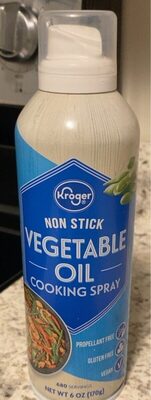
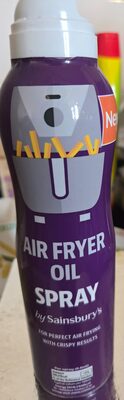
Nutrition per 100 g
| Nutrient | Chocolate Cupcake | Air Fryer Oil Spray |
|---|---|---|
| Nutri-Score | c | b |
| NOVA group | 4 | 4 |
| Calories | 561 kcal | 830 kcal |
| Fat | 0 g | 92 g |
| Saturated fat | 0 g | 7.7 g |
| Sugars | 0 g | 0.5 g |
| Salt | 0 g | 0 g |
| Fiber | 0 g | 0.5 g |
| Protein | 0 g | 0.5 g |
| Additives | 0 | 4 |
| Allergens | Eggs, Gluten, Soybeans | None listed |
Green = better value for that nutrient (less sugar, fat, salt and calories; more fiber and protein).
Key differences
- Chocolate Cupcake has 32% fewer calories (561 kcal vs 830 kcal).
- Chocolate Cupcake has no fat, while Air Fryer Oil Spray has 92 g.
- Chocolate Cupcake has no saturated fat, while Air Fryer Oil Spray has 7.7 g.
- Chocolate Cupcake has no sugar, while Air Fryer Oil Spray has 0.5 g.
- Air Fryer Oil Spray has 100% more fiber (0.5 g vs 0 g).
- Air Fryer Oil Spray has 100% more protein (0.5 g vs 0 g).
- Air Fryer Oil Spray has the better Nutri-Score.
- Only Chocolate Cupcake lists: Eggs, Gluten, Soybeans.
Ingredients
Chocolate Cupcake
CAKE - SUGAR, BLEACHED ENRICHED FLOUR (BLEACHED WHEAT FLOUR, NIACIN, REDUCED IRON, THIAMIN MONONITRATE, RIBOFLAVIN, FOLIC ACID), WATER, SOYBEAN OIL, EGGS, EGG WHITES, COCOA PROCESSED WITH ALKALI, MODIFIED CORN STARCH CONTAINS 2% OR LESS OF NONFAT MILK, LE
Air Fryer Oil Spray
Sunflower Oil, Rapeseed Oil, Antioxidants: Tocopherol, Extracts of Rosemary; Anti-foaming Agent: Dimethylpolysiloxane.
FAQ
Which is healthier: Chocolate Cupcake or Air Fryer Oil Spray?
Neither product is clearly better overall — it depends on what matters most to you. We compare Nutri-Score, processing level and seven nutrients per 100 g. Your own needs (for example low sugar or high protein) may make a different choice better for you.
Which has fewer calories?
Chocolate Cupcake has fewer calories: 561 kcal versus 830 kcal per 100 g.
Which has less sugar?
Chocolate Cupcake has less sugar: 0 g versus 0.5 g per 100 g.