
Yogurth Alpura Bebible Manzana vs Lo yogurt di una volta alla mela cotogna
Overall, Yogurth Alpura Bebible Manzana has the better nutritional profile on the measures we compare. It wins on 3 of our comparison points versus 1.
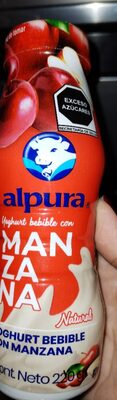
Yogurth Alpura Bebible Manzana
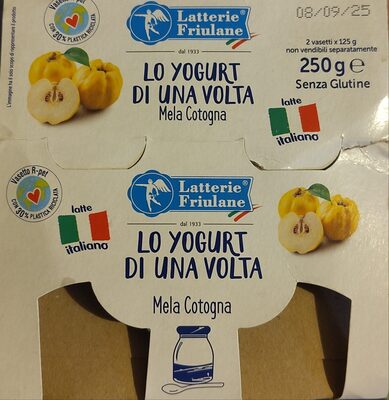
Lo yogurt di una volta alla mela cotogna
Nutrition per 100 g
| Nutrient | Yogurth Alpura Bebible Manza... | Lo yogurt di una volta alla... |
|---|---|---|
| Nutri-Score | c | c |
| NOVA group | 4 | 4 |
| Calories | 74 kcal | 87 kcal |
| Fat | 1.6 g | 3.2 g |
| Saturated fat | 1 g | 2.1 g |
| Sugars | 11.3 g | 11 g |
| Salt | 0.1 g | 0.1 g |
| Fiber | 1 g | — |
| Protein | 2.5 g | 3.4 g |
| Additives | 1 | 1 |
| Allergens | Milk | Milk |
Green = better value for that nutrient (less sugar, fat, salt and calories; more fiber and protein).
Key differences
- Yogurth Alpura Bebible Manzana has 15% fewer calories (74 kcal vs 87 kcal).
- Yogurth Alpura Bebible Manzana has 50% less fat (1.6 g vs 3.2 g).
- Yogurth Alpura Bebible Manzana has 52% less saturated fat (1 g vs 2.1 g).
- Lo yogurt di una volta alla mela cotogna has 26% more protein (3.4 g vs 2.5 g).
Ingredients
Yogurth Alpura Bebible Manzana
Leche parcamente descremada pasteurizada, 19% de preparado de fruta (azúcares añadidos (azúcar) manzana (15%) pectina, lactato de calcio, saboritantes idénticos al natural), lactasa, cultivos lácticos y natamicina. Contiene leche (caseína y lactosa) Contiene 1.6% de grasa propia de la leche y 2.45% proteina propia de la leche.
Lo yogurt di una volta alla mela cotogna
Yogurt intero, zucchero, mela cotogna purea 35%, amido modificato, aromi, gomma xantano
FAQ
Which is healthier: Yogurth Alpura Bebible Manzana or Lo yogurt di una volta alla mela cotogna?
Overall, Yogurth Alpura Bebible Manzana has the better nutritional profile on the measures we compare. We compare Nutri-Score, processing level and seven nutrients per 100 g. Your own needs (for example low sugar or high protein) may make a different choice better for you.
Which has fewer calories?
Yogurth Alpura Bebible Manzana has fewer calories: 74 kcal versus 87 kcal per 100 g.
Which has less sugar?
Lo yogurt di una volta alla mela cotogna has less sugar: 11 g versus 11.3 g per 100 g.