
Robinsons Blackberry, Cranberry and Sloe fruit cordial vs Vimto No Added Sugar
Overall, Vimto No Added Sugar has the better nutritional profile on the measures we compare. It wins on 2 of our comparison points versus 0.
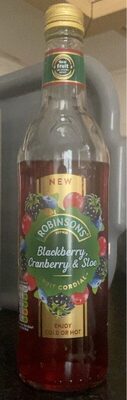
Robinsons Blackberry, Cranberry and Sloe fruit cordial
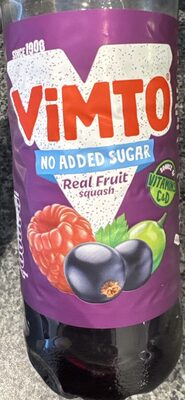
Vimto No Added Sugar
Nutrition per 100 ml
| Nutrient | Robinsons Blackberry, Cranbe... | Vimto No Added Sugar |
|---|---|---|
| Nutri-Score | — | — |
| NOVA group | — | 4 |
| Calories | 18 kcal | 2 kcal |
| Fat | 0 g | 0 g |
| Saturated fat | 0 g | 0 g |
| Sugars | 0.9 g | 0.3 g |
| Salt | 0 g | 0 g |
| Fiber | 0 g | 0 g |
| Protein | 0.1 g | 0 g |
| Additives | 0 | 7 |
| Allergens | None listed | Gluten |
Green = better value for that nutrient (less sugar, fat, salt and calories; more fiber and protein).
Key differences
- Vimto No Added Sugar has 89% fewer calories (2 kcal vs 18 kcal).
- Vimto No Added Sugar has 68% less sugar (0.3 g vs 0.9 g).
- Only Vimto No Added Sugar lists: Gluten.
Ingredients
Robinsons Blackberry, Cranberry and Sloe fruit cordial
mun crate pros information per 100ml dilatedt which sugars 7563
Vimto No Added Sugar
Water, Mixed Fruit Juices From Concentrate 10% (Grape, Blackcurrant, Raspbe Acids (Citric Acid, Malic Acid), Vimto Flavouring (Including Natural Extrac Fruits, Herbs, Barley Malt and Spices), Colouring Food (Concentrates of Carrot, Hibiscus), Sweeteners (Sucralose, Acesulfame K), Preservatives (Potassium Sorbate, Sodium Benzoate), Vitamin C, Acidity Reglator (Sodium Citrate), Vitamin D.
FAQ
Which is healthier: Robinsons Blackberry, Cranberry and Sloe fruit cordial or Vimto No Added Sugar?
Overall, Vimto No Added Sugar has the better nutritional profile on the measures we compare. We compare Nutri-Score, processing level and seven nutrients per 100 g. Your own needs (for example low sugar or high protein) may make a different choice better for you.
Which has fewer calories?
Vimto No Added Sugar has fewer calories: 2 kcal versus 18 kcal per 100 g.
Which has less sugar?
Vimto No Added Sugar has less sugar: 0.3 g versus 0.9 g per 100 g.