
Pacanes en moitiés vs Aloo Bhujia
Overall, Pacanes en moitiés has the better nutritional profile on the measures we compare. It wins on 7 of our comparison points versus 2.
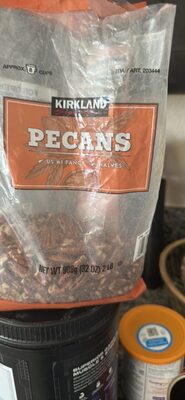
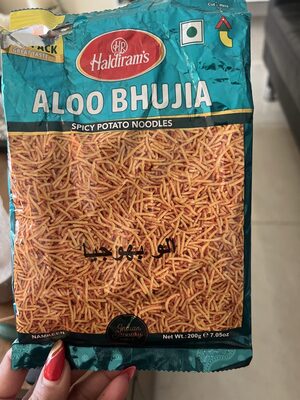
Nutrition per 100 g
| Nutrient | Pacanes en moitiés | Aloo Bhujia |
|---|---|---|
| Nutri-Score | b | e |
| NOVA group | — | 4 |
| Calories | 226 kcal | 600 kcal |
| Fat | 22 g | 42.9 g |
| Saturated fat | 2 g | 14.3 g |
| Sugars | 1 g | 2.9 g |
| Salt | 0 g | 2.1 g |
| Fiber | 3 g | 5.7 g |
| Protein | 3 g | 11.4 g |
| Additives | 0 | 2 |
| Allergens | None listed | None listed |
Green = better value for that nutrient (less sugar, fat, salt and calories; more fiber and protein).
Key differences
- Pacanes en moitiés has 62% fewer calories (226 kcal vs 600 kcal).
- Pacanes en moitiés has 49% less fat (22 g vs 42.9 g).
- Pacanes en moitiés has 86% less saturated fat (2 g vs 14.3 g).
- Pacanes en moitiés has 65% less sugar (1 g vs 2.9 g).
- Pacanes en moitiés has no salt, while Aloo Bhujia has 2.1 g.
- Aloo Bhujia has 47% more fiber (5.7 g vs 3 g).
- Aloo Bhujia has 74% more protein (11.4 g vs 3 g).
- Pacanes en moitiés has the better Nutri-Score.
Ingredients
Pacanes en moitiés
Pacanes
Aloo Bhujia
Potatoes (44%), Vegetable Oil (Cotton Seed, Corn & Palmolein), Chickpeas Flour (4%), Moth bean flour(2%), Rice Powder, Starch (Sago), Salt, Coriander Powder, Cumin Powder, Mango Powder, Ginger Powder, Garlic Powder, Onion Powder, Lemon Powder, Red Chili Powder, Turmeric Powder, Mint Leaves Powder, Acidity regulator |Citric Acid Powder (E 330)] and Anticaking agent [Silicon dioxide (E551)]
FAQ
Which is healthier: Pacanes en moitiés or Aloo Bhujia?
Overall, Pacanes en moitiés has the better nutritional profile on the measures we compare. We compare Nutri-Score, processing level and seven nutrients per 100 g. Your own needs (for example low sugar or high protein) may make a different choice better for you.
Which has fewer calories?
Pacanes en moitiés has fewer calories: 226 kcal versus 600 kcal per 100 g.
Which has less sugar?
Pacanes en moitiés has less sugar: 1 g versus 2.9 g per 100 g.