
Neufchâtel Appellation d'Origine Protégée vs Neufchâtel Cheese
Neither product is clearly better overall — it depends on what matters most to you.
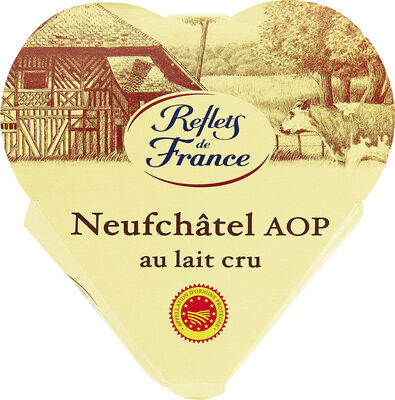
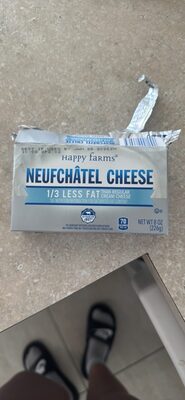
Nutrition per 100 g
| Nutrient | Neufchâtel Appellation d'Ori... | Neufchâtel Cheese |
|---|---|---|
| Nutri-Score | d | d |
| NOVA group | 3 | 4 |
| Calories | 295 kcal | 250 kcal |
| Fat | 24 g | 21.4 g |
| Saturated fat | 17 g | 12.5 g |
| Sugars | 0 g | 7.1 g |
| Salt | 1.6 g | 0.9 g |
| Fiber | 0.5 g | 0 g |
| Protein | 19 g | 7.1 g |
| Additives | 0 | 3 |
| Allergens | Milk | Milk |
Green = better value for that nutrient (less sugar, fat, salt and calories; more fiber and protein).
Key differences
- Neufchâtel Cheese has 15% fewer calories (250 kcal vs 295 kcal).
- Neufchâtel Cheese has 11% less fat (21.4 g vs 24 g).
- Neufchâtel Cheese has 26% less saturated fat (12.5 g vs 17 g).
- Neufchâtel Appellation d'Origine Protégée has no sugar, while Neufchâtel Cheese has 7.1 g.
- Neufchâtel Cheese has 41% less salt (0.9 g vs 1.6 g).
- Neufchâtel Appellation d'Origine Protégée has 100% more fiber (0.5 g vs 0 g).
- Neufchâtel Appellation d'Origine Protégée has 62% more protein (19 g vs 7.1 g).
- Neufchâtel Appellation d'Origine Protégée is less processed (lower NOVA group).
Ingredients
Neufchâtel Appellation d'Origine Protégée
_Lait_ cru, sel, ferments _lactiques_ et d'affinage (contient _lait_), présure animale. Lait issu de l'aire géographique définie par l'AOP.
Neufchâtel Cheese
pasteurized milk and cream, skim milk, cheese culture, salt, guar gum, carob bean gum, xanthan gum
FAQ
Which is healthier: Neufchâtel Appellation d'Origine Protégée or Neufchâtel Cheese?
Neither product is clearly better overall — it depends on what matters most to you. We compare Nutri-Score, processing level and seven nutrients per 100 g. Your own needs (for example low sugar or high protein) may make a different choice better for you.
Which has fewer calories?
Neufchâtel Cheese has fewer calories: 250 kcal versus 295 kcal per 100 g.
Which has less sugar?
Neufchâtel Appellation d'Origine Protégée has less sugar: 0 g versus 7.1 g per 100 g.