
Comparison
Natural light fresh cheese vs Burrata
Overall, Burrata has the better nutritional profile on the measures we compare. It wins on 5 of our comparison points versus 2.
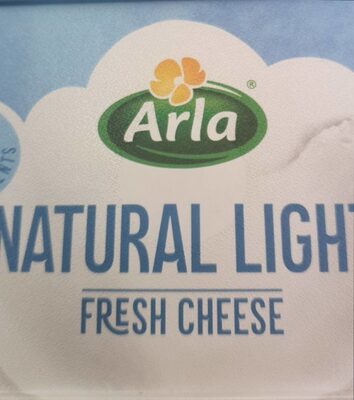
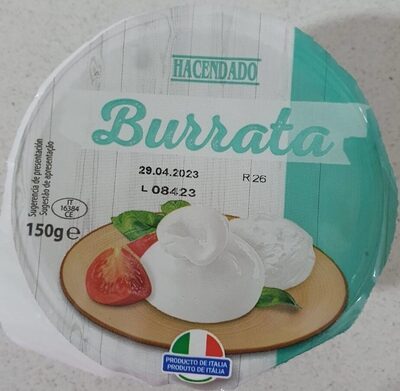
Nutrition per 100 g
| Nutrient | Natural light fresh cheese | Burrata |
|---|---|---|
| Nutri-Score | d | c |
| NOVA group | 3 | 3 |
| Calories | 190 kcal | 160 kcal |
| Fat | 16 g | 20 g |
| Saturated fat | 10 g | 13 g |
| Sugars | 3.2 g | 1.9 g |
| Salt | 0.8 g | 0.6 g |
| Fiber | 0.9 g | 1.1 g |
| Protein | 8 g | 13 g |
| Additives | 0 | 1 |
| Allergens | Milk | Milk |
Green = better value for that nutrient (less sugar, fat, salt and calories; more fiber and protein).
Key differences
- Burrata has 16% fewer calories (160 kcal vs 190 kcal).
- Natural light fresh cheese has 20% less fat (16 g vs 20 g).
- Natural light fresh cheese has 23% less saturated fat (10 g vs 13 g).
- Burrata has 41% less sugar (1.9 g vs 3.2 g).
- Burrata has 38% more protein (13 g vs 8 g).
- Burrata has the better Nutri-Score.
Ingredients
Natural light fresh cheese
Milk, cream, salt, lactic acid culture
Burrata
_Leche_, _nata_, sal, cuajo, corrector de acidez E330.
FAQ
Which is healthier: Natural light fresh cheese or Burrata?
Overall, Burrata has the better nutritional profile on the measures we compare. We compare Nutri-Score, processing level and seven nutrients per 100 g. Your own needs (for example low sugar or high protein) may make a different choice better for you.
Which has fewer calories?
Burrata has fewer calories: 160 kcal versus 190 kcal per 100 g.
Which has less sugar?
Burrata has less sugar: 1.9 g versus 3.2 g per 100 g.
More comparisons
Cottage Cheese vs Natural light fresh chee...
Natural light fresh chee... vs Requesón
Frischkäse vs Natural light fresh chee...
Natural light fresh chee... vs Queso Burgos desnatado 0...
Natural light fresh chee... vs Cottage Queijo Fresco Al...
Natural light fresh chee... vs Queso Blanco Pasteurizad...
Cottage Cheese vs Burrata
Requesón vs Burrata