
Mango vs NESTLE NESQUIK Cerealien
Overall, NESTLE NESQUIK Cerealien has the better nutritional profile on the measures we compare. It wins on 5 of our comparison points versus 3.
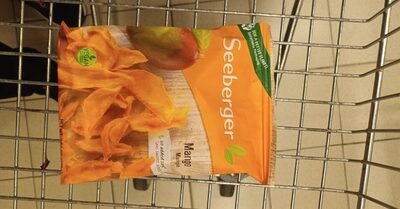
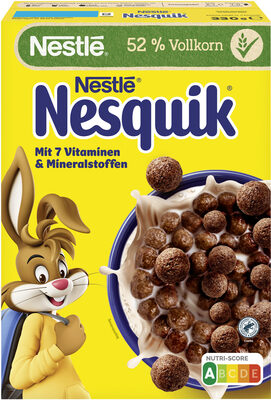
Nutrition per 100 g
| Nutrient | Mango | NESTLE NESQUIK Cerealien |
|---|---|---|
| Nutri-Score | d | c |
| NOVA group | 3 | 4 |
| Calories | 326 kcal | 377 kcal |
| Fat | 0.9 g | 3 g |
| Saturated fat | 0.4 g | 0.7 g |
| Sugars | 54 g | 22.1 g |
| Salt | 0 g | 0.2 g |
| Fiber | 0 g | 9.3 g |
| Protein | 2.8 g | 8.7 g |
| Additives | 1 | 0 |
| Allergens | Sulphur dioxide and sulphites | Gluten |
Green = better value for that nutrient (less sugar, fat, salt and calories; more fiber and protein).
Key differences
- Mango has 13% fewer calories (326 kcal vs 377 kcal).
- Mango has 70% less fat (0.9 g vs 3 g).
- NESTLE NESQUIK Cerealien has 59% less sugar (22.1 g vs 54 g).
- NESTLE NESQUIK Cerealien has 100% more fiber (9.3 g vs 0 g).
- NESTLE NESQUIK Cerealien has 68% more protein (8.7 g vs 2.8 g).
- NESTLE NESQUIK Cerealien has the better Nutri-Score.
- Mango is less processed (lower NOVA group).
- Only Mango lists: Sulphur dioxide and sulphites.
- Only NESTLE NESQUIK Cerealien lists: Gluten.
Ingredients
Mango
Mango, Kartoffelstärke, Natriummetabisulfit
NESTLE NESQUIK Cerealien
52,7% VOLLKORNWEIZENMEHL, Zucker, Maisgrieß, Glukosesirup, 5,5% fettarmer Kakao*, Calciumcarbonat, Sonnenblumenöl, Salz, natürliches Aroma, Eisen, Niacin, Pantothensäure, Vitamin D, Vitamin B6, Thiamin (Vit. B1), Riboflavin (Vit. B2), Folsäure. Kann MILCH und NÜSSE enthalten. *Rainforest Alliance-zertifiziert.
FAQ
Which is healthier: Mango or NESTLE NESQUIK Cerealien?
Overall, NESTLE NESQUIK Cerealien has the better nutritional profile on the measures we compare. We compare Nutri-Score, processing level and seven nutrients per 100 g. Your own needs (for example low sugar or high protein) may make a different choice better for you.
Which has fewer calories?
Mango has fewer calories: 326 kcal versus 377 kcal per 100 g.
Which has less sugar?
NESTLE NESQUIK Cerealien has less sugar: 22.1 g versus 54 g per 100 g.