
Comparison
Lait de millet, Amande & noisette vs Millet
Overall, Millet has the better nutritional profile on the measures we compare. It wins on 5 of our comparison points versus 1.
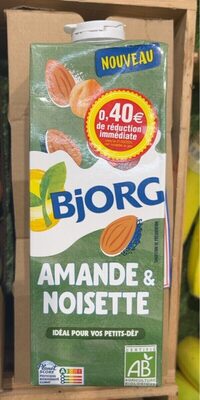
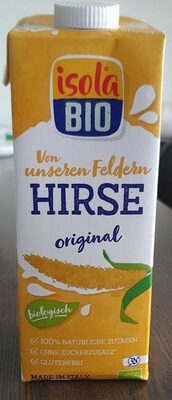
Nutrition per 100 g
| Nutrient | Lait de millet, Amande & noi... | Millet |
|---|---|---|
| Nutri-Score | e | d |
| NOVA group | — | 3 |
| Calories | 80 kcal | 55 kcal |
| Fat | 2.9 g | 1.1 g |
| Saturated fat | 0.3 g | 0.1 g |
| Sugars | 7.6 g | 5.5 g |
| Salt | 0.1 g | 0.1 g |
| Fiber | 0.5 g | 0.4 g |
| Protein | 1.2 g | 0.7 g |
| Additives | 0 | 0 |
| Allergens | None listed | None listed |
Green = better value for that nutrient (less sugar, fat, salt and calories; more fiber and protein).
Key differences
- Millet has 31% fewer calories (55 kcal vs 80 kcal).
- Millet has 62% less fat (1.1 g vs 2.9 g).
- Millet has 28% less sugar (5.5 g vs 7.6 g).
- Lait de millet, Amande & noisette has 42% more protein (1.2 g vs 0.7 g).
- Millet has the better Nutri-Score.
Ingredients
Lait de millet, Amande & noisette
Eau Millet 15% Amande* 2% Noisette* 1% Huile de tournesol* Sel marin
Millet
Eau, millet italien** (16%), huile de tournesol désodorisée**, sel marin. **Biologique
FAQ
Which is healthier: Lait de millet, Amande & noisette or Millet?
Overall, Millet has the better nutritional profile on the measures we compare. We compare Nutri-Score, processing level and seven nutrients per 100 g. Your own needs (for example low sugar or high protein) may make a different choice better for you.
Which has fewer calories?
Millet has fewer calories: 55 kcal versus 80 kcal per 100 g.
Which has less sugar?
Millet has less sugar: 5.5 g versus 7.6 g per 100 g.
More comparisons
Châtaigne Avoine vs Millet
Châtaigne Avoine vs Lait de millet, Amande &...
Boisson concentrée Avoin... vs Millet
Lait de millet, Amande &... vs Boisson concentrée Avoin...
Lait de millet, Amande &... vs Boisson végétale bio avo...
Lait de millet, Amande &... vs Biorganic Brown Rice Mil...
Lait de millet, Amande &... vs Latte di riso amo essere
Almond with Calcium vs Millet