
Haldirams Alu Bhujia vs Chekaralu
Overall, Chekaralu has the better nutritional profile on the measures we compare. It wins on 5 of our comparison points versus 1.
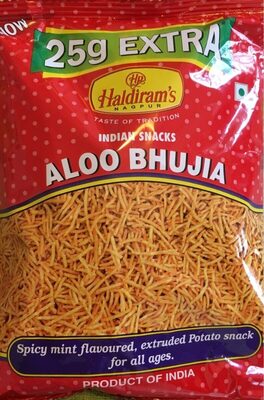
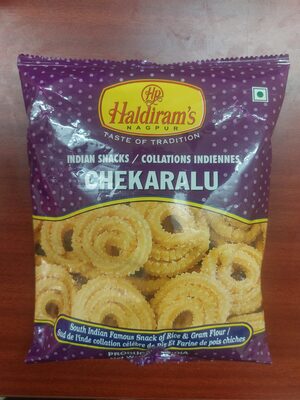
Nutrition per 100 g
| Nutrient | Haldirams Alu Bhujia | Chekaralu |
|---|---|---|
| Nutri-Score | e | e |
| NOVA group | 3 | 4 |
| Calories | 562 kcal | 523 kcal |
| Fat | 38.1 g | 26.7 g |
| Saturated fat | 16.5 g | 13.7 g |
| Sugars | 0.3 g | 0 g |
| Salt | 1.5 g | 0.8 g |
| Fiber | 0.8 g | 1.3 g |
| Protein | 8.7 g | 11.1 g |
| Additives | 1 | 2 |
| Allergens | None listed | Gluten, Milk, Mustard, Nuts, Sesame seeds |
Green = better value for that nutrient (less sugar, fat, salt and calories; more fiber and protein).
Key differences
- Chekaralu has 30% less fat (26.7 g vs 38.1 g).
- Chekaralu has 17% less saturated fat (13.7 g vs 16.5 g).
- Chekaralu has 49% less salt (0.8 g vs 1.5 g).
- Chekaralu has 35% more fiber (1.3 g vs 0.8 g).
- Chekaralu has 22% more protein (11.1 g vs 8.7 g).
- Haldirams Alu Bhujia is less processed (lower NOVA group).
- Only Chekaralu lists: Gluten, Milk, Mustard, Nuts, Sesame seeds.
Ingredients
Haldirams Alu Bhujia
Potato, Refined Palmolein Oil, Bengal Gram Flour (Besan), Potato Flakes, Potato Starch, Tapioca Starch, Tapary Beans (Moth Dal) Flour, iodised Salt,Red Chilli Powder, Black Salt, Acidity Regulator (INS 330), Black Pepper, Clove, Cardamom, Dried Ginger Powder, Dried Garlic Powder, Refined Sugar, Cumin Powder, Bay Leaves, Nutmeg, Cinnamon and Mint Leaves
Chekaralu
Rice Flour, Refined Palmolein Oil, Split Pulse Moong (Moong Dal) Flour, Roasted Bengal Gram Lentils (Daliya), Tapioca Starch, Hydrogenated Vegetable Oil (Vanaspati), lodised Salt, Sesame Seed, Cumin, Red Chilli, Asafoetida & Raising Agent (INS 500 ii) Allergen: Contains Sesame Seed May Contain Pear it, Almond, Cashew, Wheat, Milk, Soy & Mustard Seed
FAQ
Which is healthier: Haldirams Alu Bhujia or Chekaralu?
Overall, Chekaralu has the better nutritional profile on the measures we compare. We compare Nutri-Score, processing level and seven nutrients per 100 g. Your own needs (for example low sugar or high protein) may make a different choice better for you.
Which has fewer calories?
Chekaralu has fewer calories: 523 kcal versus 562 kcal per 100 g.
Which has less sugar?
Chekaralu has less sugar: 0 g versus 0.3 g per 100 g.