
Colorant alimentaire vs Colorante alimentario
Overall, Colorant alimentaire has the better nutritional profile on the measures we compare. It wins on 2 of our comparison points versus 0.
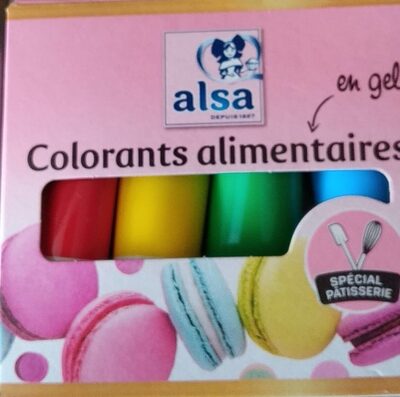
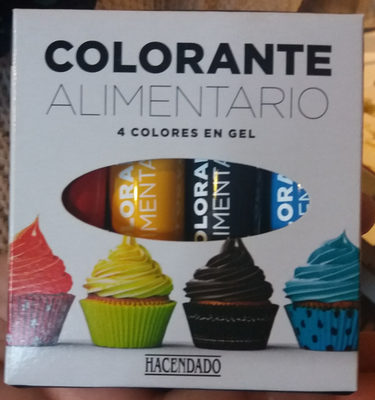
Nutrition per 100 g
| Nutrient | Colorant alimentaire | Colorante alimentario |
|---|---|---|
| Nutri-Score | — | — |
| NOVA group | 4 | 4 |
| Calories | 264 kcal | 258 kcal |
| Fat | 0.2 g | 0 g |
| Saturated fat | 0.1 g | 0 g |
| Sugars | 46 g | 43.5 g |
| Salt | 0.1 g | 0.5 g |
| Fiber | 0 g | — |
| Protein | 0.4 g | 0 g |
| Additives | 10 | 8 |
| Allergens | None listed | None listed |
Green = better value for that nutrient (less sugar, fat, salt and calories; more fiber and protein).
Key differences
- Colorant alimentaire has 80% less salt (0.1 g vs 0.5 g).
- Colorant alimentaire has 100% more protein (0.4 g vs 0 g).
Ingredients
Colorant alimentaire
Sirop de glucose, sucre, eau, ingrédients colorants (concentrés de carthame et de citron), colorants (lutéine, carmins, curcumine, bleu brillant FCF), gélifiant (carraghénanes), correcteurs d'acidité (acide citrique, acide lactique, acide acétique, lactate de sodium), conservateur (sorbate de potassium).
Colorante alimentario
jarabe de glucosa, agua, sacarosa, colorantes (E100, E120, E153, E161b, E133), gelificante E406, acidulante E330, conservante E202.
FAQ
Which is healthier: Colorant alimentaire or Colorante alimentario?
Overall, Colorant alimentaire has the better nutritional profile on the measures we compare. We compare Nutri-Score, processing level and seven nutrients per 100 g. Your own needs (for example low sugar or high protein) may make a different choice better for you.
Which has fewer calories?
Colorante alimentario has fewer calories: 258 kcal versus 264 kcal per 100 g.
Which has less sugar?
Colorante alimentario has less sugar: 43.5 g versus 46 g per 100 g.