
Chipsfrisch Peperoni vs Lays max paprika
Overall, Lays max paprika has the better nutritional profile on the measures we compare. It wins on 3 of our comparison points versus 0.

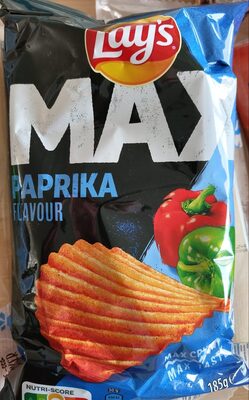
Nutrition per 100 g
| Nutrient | Chipsfrisch Peperoni | Lays max paprika |
|---|---|---|
| Nutri-Score | d | d |
| NOVA group | 4 | 3 |
| Calories | 532 kcal | 513 kcal |
| Fat | 33 g | 31 g |
| Saturated fat | 3 g | 2.3 g |
| Sugars | 1.9 g | 2 g |
| Salt | 1.4 g | 1.2 g |
| Fiber | 4.4 g | 4.8 g |
| Protein | 5.9 g | 6.7 g |
| Additives | 3 | 1 |
| Allergens | None listed | None listed |
Green = better value for that nutrient (less sugar, fat, salt and calories; more fiber and protein).
Key differences
- Lays max paprika has 23% less saturated fat (2.3 g vs 3 g).
- Lays max paprika has 12% more protein (6.7 g vs 5.9 g).
- Lays max paprika is less processed (lower NOVA group).
Ingredients
Chipsfrisch Peperoni
Kartoffeln, pflanzliche Öle (Sonnenblume, Raps in veränderlichen Gewichtsanteilen), Speisesalz, natürliches Aroma, Dextrose, Paprikapulver, Peperonipulver, Hefe, Hefeextrakt, Zwiebelpulver, Zucker, Farbstoffe (Paprikaextrakt, Betenrot), Knoblauchpulver, Säuerungsmittel (Citronensäure, Milchsäure), Kräuter, Gewürzextrakt.
Lays max paprika
Aardappelen, plantaardige olien (zonnebloem, koolzaad in wisselende hoeveelheden) parkmak (suiker, zout, paprikapoeder, gerookte zoete paprikapoeder, uienpoeder, knoflookpoeder, as stof paprika extract) fructose cayennepeper, voedingszuur (citroenzuur), antioxidanten (exce marin cortinetur, tocoferolik extract citroenzuur)
FAQ
Which is healthier: Chipsfrisch Peperoni or Lays max paprika?
Overall, Lays max paprika has the better nutritional profile on the measures we compare. We compare Nutri-Score, processing level and seven nutrients per 100 g. Your own needs (for example low sugar or high protein) may make a different choice better for you.
Which has fewer calories?
Lays max paprika has fewer calories: 513 kcal versus 532 kcal per 100 g.
Which has less sugar?
Chipsfrisch Peperoni has less sugar: 1.9 g versus 2 g per 100 g.