
Bovril Beef vs Caldo Cocido
Overall, Caldo Cocido has the better nutritional profile on the measures we compare. It wins on 7 of our comparison points versus 2.
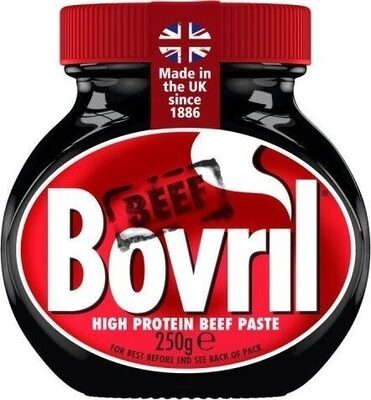
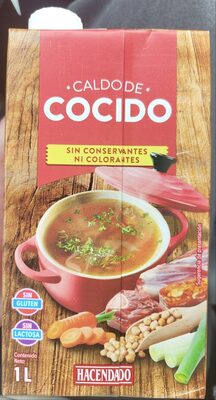
Nutrition per 100 g
| Nutrient | Bovril Beef | Caldo Cocido |
|---|---|---|
| Nutri-Score | e | c |
| NOVA group | 4 | 4 |
| Calories | 252 kcal | 4 kcal |
| Fat | 0.8 g | 0 g |
| Saturated fat | 0.4 g | 0 g |
| Sugars | 1.4 g | 0.5 g |
| Salt | 7.5 g | 0.9 g |
| Fiber | 0.8 g | 0 g |
| Protein | 38 g | 0 g |
| Additives | 4 | 0 |
| Allergens | Celery, Gluten | Celery |
Green = better value for that nutrient (less sugar, fat, salt and calories; more fiber and protein).
Key differences
- Caldo Cocido has 98% fewer calories (4 kcal vs 252 kcal).
- Caldo Cocido has no fat, while Bovril Beef has 0.8 g.
- Caldo Cocido has no saturated fat, while Bovril Beef has 0.4 g.
- Caldo Cocido has 64% less sugar (0.5 g vs 1.4 g).
- Caldo Cocido has 88% less salt (0.9 g vs 7.5 g).
- Bovril Beef has 100% more fiber (0.8 g vs 0 g).
- Bovril Beef has 100% more protein (38 g vs 0 g).
- Caldo Cocido has the better Nutri-Score.
- Only Bovril Beef lists: Gluten.
Ingredients
Bovril Beef
beef broth (50%) [water, beef bones), yeast extract (27%) [contains barley, wheat, oats, rye], salt, water, colour (ammonia caramel), corn starch, beef powder (1%), flavour enhancers (disodium inosinate, disodium guanylate), acid (lactic acid), flavourings (contain celery). may contain egg, milk, mustard.
Caldo Cocido
Agua, pollo 1,1%, sal, aromas, almidón, hortalizas 0,2% (apio, puerro, cebolla y zanahoria), grasa bovina, extracto de carne, aceite de oliva, garbanzo 0,06%, especias, carne de bovino 0,02%.
FAQ
Which is healthier: Bovril Beef or Caldo Cocido?
Overall, Caldo Cocido has the better nutritional profile on the measures we compare. We compare Nutri-Score, processing level and seven nutrients per 100 g. Your own needs (for example low sugar or high protein) may make a different choice better for you.
Which has fewer calories?
Caldo Cocido has fewer calories: 4 kcal versus 252 kcal per 100 g.
Which has less sugar?
Caldo Cocido has less sugar: 0.5 g versus 1.4 g per 100 g.