
Zero Sugar Root Beer vs Classic Root Beer
Overall, Zero Sugar Root Beer has the better nutritional profile on the measures we compare. It wins on 2 of our comparison points versus 1.
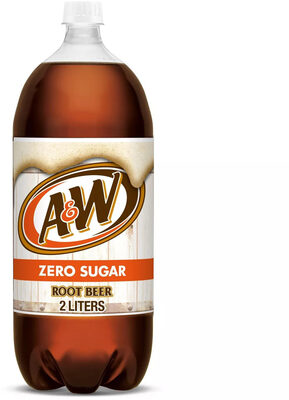
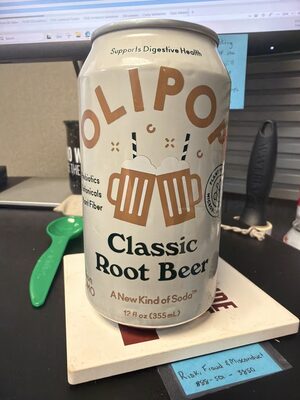
Nutrition per 100 g
| Nutrient | Zero Sugar Root Beer | Classic Root Beer |
|---|---|---|
| Nutri-Score | c | c |
| NOVA group | 4 | 4 |
| Calories | 0 kcal | 11 kcal |
| Fat | 0 g | 0 g |
| Saturated fat | 0 g | 0 g |
| Sugars | 0 g | 0.9 g |
| Salt | 0.1 g | 0 g |
| Fiber | 0 g | 2.5 g |
| Protein | 0 g | 0 g |
| Additives | 6 | 0 |
| Allergens | None listed | None listed |
Green = better value for that nutrient (less sugar, fat, salt and calories; more fiber and protein).
Key differences
- Zero Sugar Root Beer has no calories, while Classic Root Beer has 11 kcal.
- Zero Sugar Root Beer has no sugar, while Classic Root Beer has 0.9 g.
- Classic Root Beer has 100% more fiber (2.5 g vs 0 g).
Ingredients
Zero Sugar Root Beer
Carbonated water, caramel color, sodium benzoate (preservative), aspartame, acesulfame potassium, natural and artificial flavors, malic acid, quillaia extract.
Classic Root Beer
Carbonated Water, OLISMART (Cassava Root Fiber, Chicory Root Inulin, Jerusalem Artichoke Inulin, Nopal Cactus*, Marshmallow Root*, Calendula Flower*, Kudzu Root*), Cassava Root Syrup, Apple Juice Concentrate, Natural Root Beer Flavor, Lemon Juice, Burdock Root, Stevia Leaf, Himalayan Pink Salt, Natural Vanilla Flavor, Sweet Birch* *Extract Manufactured for OLIPOP Inc. Oakland, CA 94610 www.drinkolipop.com 8 AMP) 21067 60439 00106 Contains 3% Julce
FAQ
Which is healthier: Zero Sugar Root Beer or Classic Root Beer?
Overall, Zero Sugar Root Beer has the better nutritional profile on the measures we compare. We compare Nutri-Score, processing level and seven nutrients per 100 g. Your own needs (for example low sugar or high protein) may make a different choice better for you.
Which has fewer calories?
Zero Sugar Root Beer has fewer calories: 0 kcal versus 11 kcal per 100 g.
Which has less sugar?
Zero Sugar Root Beer has less sugar: 0 g versus 0.9 g per 100 g.