
Zéro sucres ajoutés - Clémentine et yuzu vs Rootbeer probiotic soda
Overall, Rootbeer probiotic soda has the better nutritional profile on the measures we compare. It wins on 3 of our comparison points versus 1.
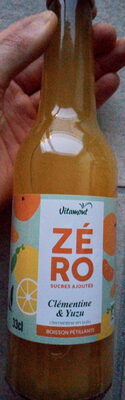
Zéro sucres ajoutés - Clémentine et yuzu
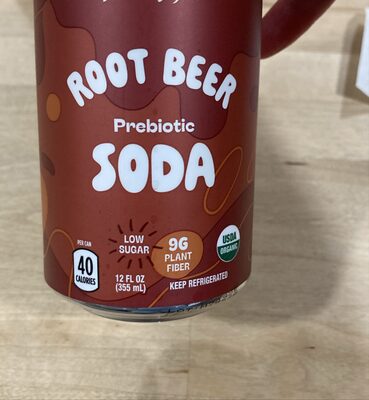
Rootbeer probiotic soda
Nutrition per 100 ml
| Nutrient | Zéro sucres ajoutés - Clémen... | Rootbeer probiotic soda |
|---|---|---|
| Nutri-Score | c | b |
| NOVA group | 1 | 4 |
| Calories | 16 kcal | 11 kcal |
| Fat | 0 g | 0 g |
| Saturated fat | 0 g | 0 g |
| Sugars | 4 g | 1.4 g |
| Salt | 0 g | 0 g |
| Fiber | — | 2.5 g |
| Protein | 0 g | 0 g |
| Additives | 0 | 1 |
| Allergens | None listed | None listed |
Green = better value for that nutrient (less sugar, fat, salt and calories; more fiber and protein).
Key differences
- Rootbeer probiotic soda has 65% less sugar (1.4 g vs 4 g).
- Rootbeer probiotic soda has the better Nutri-Score.
- Zéro sucres ajoutés - Clémentine et yuzu is less processed (lower NOVA group).
Ingredients
Zéro sucres ajoutés - Clémentine et yuzu
Eau gazéifiée, jus de raisin blanc*, jus de clémentine* (15%), jus de citron*, jus de yuzu* (0,35%). * Ingrédients issus de l'agriculture biologique
Rootbeer probiotic soda
Carbonated Water, Organic Tibicos (Water, Organic Cane Sugar, Organic Tibicos Cultures), Organic Inulin, Organic Cane Sugar, Organic Apple Juice Concentrate, Organic Root Beer Flavor, Organic Stevia, Organic Lemon Juice Concentrate, Organic Vanilla Extract, Organic Monk Fruit Extract, Tartaric Acid, Sea Salt
FAQ
Which is healthier: Zéro sucres ajoutés - Clémentine et yuzu or Rootbeer probiotic soda?
Overall, Rootbeer probiotic soda has the better nutritional profile on the measures we compare. We compare Nutri-Score, processing level and seven nutrients per 100 g. Your own needs (for example low sugar or high protein) may make a different choice better for you.
Which has fewer calories?
Rootbeer probiotic soda has fewer calories: 11 kcal versus 16 kcal per 100 g.
Which has less sugar?
Rootbeer probiotic soda has less sugar: 1.4 g versus 4 g per 100 g.