
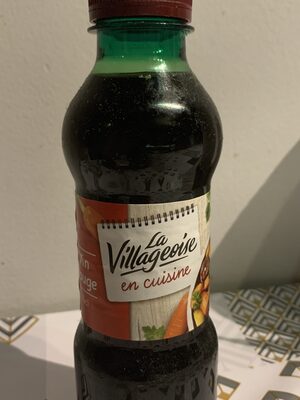
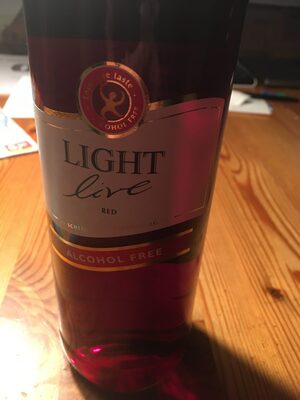
Vin rouge vs Light Live Red 0,0%
Overall, Vin rouge has the better nutritional profile on the measures we compare. It wins on 2 of our comparison points versus 0.
Nutrition per 100 g
| Nutrient | Vin rouge | Light Live Red 0,0% |
|---|---|---|
| Nutri-Score | — | — |
| NOVA group | 3 | — |
| Calories | 11 kcal | 23 kcal |
| Fat | 0 g | 0 g |
| Saturated fat | 0 g | 0 g |
| Sugars | 0.6 g | 5 g |
| Salt | 0 g | 0 g |
| Fiber | 0 g | — |
| Protein | 0.1 g | 0 g |
| Additives | 0 | 1 |
| Allergens | Sulphur dioxide and sulphites | None listed |
Green = better value for that nutrient (less sugar, fat, salt and calories; more fiber and protein).
Key differences
- Vin rouge has 52% fewer calories (11 kcal vs 23 kcal).
- Vin rouge has 88% less sugar (0.6 g vs 5 g).
- Only Vin rouge lists: Sulphur dioxide and sulphites.
Ingredients
Vin rouge
Vin rouge (contient des sulfites)
Light Live Red 0,0%
live 0,0% RED RIEN SCHLOSS REDUZIERT V NACHE vegan Alkoholfreies aromatisiertes Getränk auf Basis alkoholfreien Weines Weine aus ausgewählten Anbaugebieten werden schonend entalkoholisiert LIGHT live RED wird auf Basis alkoholfreien Weines hergestellt. Besondere und verleihen dem Produkt seinen unverkennbaren Geschmack. LIGHT live RED hat weniger als die Hälfte an Kalorien im Vergleich zu einem alkoholhaltigen Rotwein. Ideale Trinktemperatur 10 - 13 °C. Empfehlung: Kühl und dunkel lagern ataten: alkoholfreier Wein (94%), rektifiziertes Traubenmostkonzentrat airliches Aroma, Antioxidationsmittel: Schwefeldioxid. Schloss Wachenheim AG, Niederkircher Str. 27,54294 Trier/Deutschland
FAQ
Which is healthier: Vin rouge or Light Live Red 0,0%?
Overall, Vin rouge has the better nutritional profile on the measures we compare. We compare Nutri-Score, processing level and seven nutrients per 100 g. Your own needs (for example low sugar or high protein) may make a different choice better for you.
Which has fewer calories?
Vin rouge has fewer calories: 11 kcal versus 23 kcal per 100 g.
Which has less sugar?
Vin rouge has less sugar: 0.6 g versus 5 g per 100 g.