
Velouté de Potiron vs Velouté de potiron
Overall, Velouté de potiron has the better nutritional profile on the measures we compare. It wins on 2 of our comparison points versus 0.
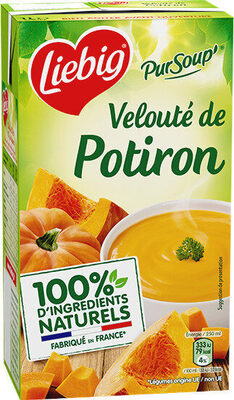
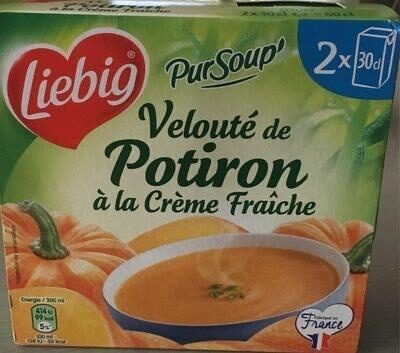
Nutrition per 100 ml
| Nutrient | Velouté de Potiron | Velouté de potiron |
|---|---|---|
| Nutri-Score | c | b |
| NOVA group | 4 | 4 |
| Calories | 35 kcal | 35 kcal |
| Fat | 1.2 g | 1.2 g |
| Saturated fat | 0.6 g | 0.6 g |
| Sugars | 1.5 g | 1.5 g |
| Salt | 0.7 g | 0.7 g |
| Fiber | 1.9 g | 1.9 g |
| Protein | 0.6 g | 0.6 g |
| Additives | 1 | 0 |
| Allergens | Milk | Milk |
Green = better value for that nutrient (less sugar, fat, salt and calories; more fiber and protein).
Ingredients
Velouté de Potiron
eau, légumes47% (potiron 35%, oignon, pomme de terre, carotte,jus de tomates à base de concentré), crème fraîche 1.7%, amidon transformé de maïs, sel, sucre,beurre de cuisine, arômes (contient lait).
Velouté de potiron
water, vegetables 47% (pumpkin 35%, onion, potato, carrot, concentrated tomato juice), fresh cream 1,7%, processed corn starch, salt, sugar, cooking butter, flavour (contains milk), may contain traces of celery, wheat and egg,
FAQ
Which is healthier: Velouté de Potiron or Velouté de potiron?
Overall, Velouté de potiron has the better nutritional profile on the measures we compare. We compare Nutri-Score, processing level and seven nutrients per 100 g. Your own needs (for example low sugar or high protein) may make a different choice better for you.
Which has fewer calories?
Velouté de Potiron has fewer calories: 35 kcal versus 35 kcal per 100 g.
Which has less sugar?
Velouté de Potiron has less sugar: 1.5 g versus 1.5 g per 100 g.