
Riz au lait de coco vs Riso vegan waniliowe
Overall, Riso vegan waniliowe has the better nutritional profile on the measures we compare. It wins on 4 of our comparison points versus 2.
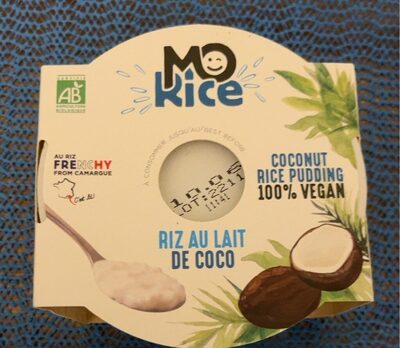
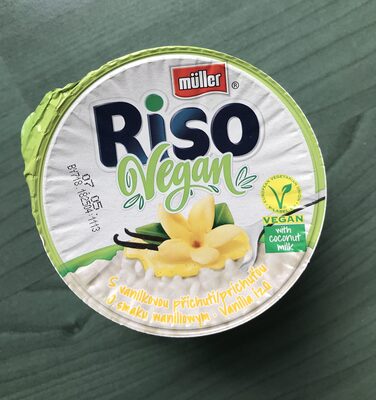
Nutrition per 100 g
| Nutrient | Riz au lait de coco | Riso vegan waniliowe |
|---|---|---|
| Nutri-Score | c | c |
| NOVA group | 3 | 4 |
| Calories | 142 kcal | 110 kcal |
| Fat | 8.2 g | 4.1 g |
| Saturated fat | 7.8 g | 3.8 g |
| Sugars | 10.9 g | 8.4 g |
| Salt | 0 g | 0.2 g |
| Fiber | 3.1 g | 1.6 g |
| Protein | 1.2 g | 1.1 g |
| Additives | 0 | 3 |
| Allergens | None listed | None listed |
Green = better value for that nutrient (less sugar, fat, salt and calories; more fiber and protein).
Key differences
- Riso vegan waniliowe has 23% fewer calories (110 kcal vs 142 kcal).
- Riso vegan waniliowe has 50% less fat (4.1 g vs 8.2 g).
- Riso vegan waniliowe has 51% less saturated fat (3.8 g vs 7.8 g).
- Riso vegan waniliowe has 23% less sugar (8.4 g vs 10.9 g).
- Riz au lait de coco has 49% more fiber (3.1 g vs 1.6 g).
- Riz au lait de coco is less processed (lower NOVA group).
Ingredients
Riz au lait de coco
Lait de coco équitable 46,8%*, eau, riz rond de Camargue 8,6%*, sucre de canne équitable*, amidon de riz*. *Ingrédients issus de l'agriculture biologique.
Riso vegan waniliowe
Woda, 17 % ekstrakt z kokosa, 8% ryż, cukier, syrop ryżowy, mąka ryżowa, skrobia, roślinny koncenrat barwiacy (z marchwi), substancje zagęszczające: guma guar, mączka chleba świętojańskiego, karagen; stabilizator:chlorek wapnia, 0,3% naturalny aromat waniliowy, sól, błonnik cytrusowy, wyekstrahowane nasiona wanilli, aromat.
FAQ
Which is healthier: Riz au lait de coco or Riso vegan waniliowe?
Overall, Riso vegan waniliowe has the better nutritional profile on the measures we compare. We compare Nutri-Score, processing level and seven nutrients per 100 g. Your own needs (for example low sugar or high protein) may make a different choice better for you.
Which has fewer calories?
Riso vegan waniliowe has fewer calories: 110 kcal versus 142 kcal per 100 g.
Which has less sugar?
Riso vegan waniliowe has less sugar: 8.4 g versus 10.9 g per 100 g.