
Osso bucco de veau vs Osso Bucco de veau, France, 2 pièces
Overall, Osso Bucco de veau, France, 2 pièces has the better nutritional profile on the measures we compare. It wins on 5 of our comparison points versus 3.
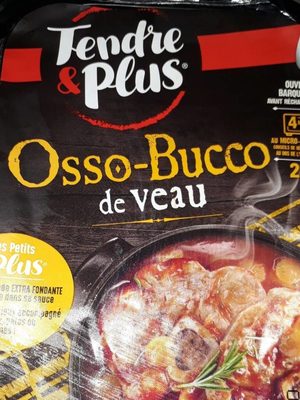
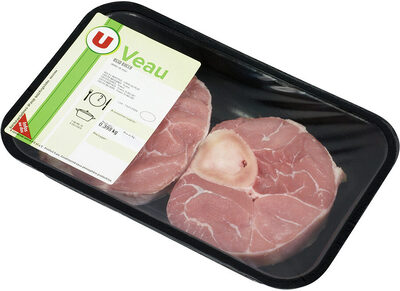
Nutrition per 100 g
| Nutrient | Osso bucco de veau | Osso Bucco de veau, France,... |
|---|---|---|
| Nutri-Score | c | a |
| NOVA group | 4 | — |
| Calories | 109 kcal | 124 kcal |
| Fat | 2 g | 5.9 g |
| Saturated fat | 0.5 g | 2 g |
| Sugars | 2.6 g | 0 g |
| Salt | 0.8 g | 0 g |
| Fiber | — | 0 g |
| Protein | 16 g | 17.8 g |
| Additives | 1 | 0 |
| Allergens | None listed | None listed |
Green = better value for that nutrient (less sugar, fat, salt and calories; more fiber and protein).
Key differences
- Osso bucco de veau has 12% fewer calories (109 kcal vs 124 kcal).
- Osso bucco de veau has 66% less fat (2 g vs 5.9 g).
- Osso bucco de veau has 75% less saturated fat (0.5 g vs 2 g).
- Osso Bucco de veau, France, 2 pièces has no sugar, while Osso bucco de veau has 2.6 g.
- Osso Bucco de veau, France, 2 pièces has no salt, while Osso bucco de veau has 0.8 g.
- Osso Bucco de veau, France, 2 pièces has 10% more protein (17.8 g vs 16 g).
- Osso Bucco de veau, France, 2 pièces has the better Nutri-Score.
Ingredients
Osso bucco de veau
Jarret de veau avec os origine UE 70%, eau, carottes 10%, maltodextrine, tomate, extrait de carotte, arômes naturels, sucre, amidons modifies, farine de riz, épice, plantes aromatiques, sel, huile de tournesol. Traces de gluten, œuf, soja, lait et céleri.
Osso Bucco de veau, France, 2 pièces
Jarret de veau
FAQ
Which is healthier: Osso bucco de veau or Osso Bucco de veau, France, 2 pièces?
Overall, Osso Bucco de veau, France, 2 pièces has the better nutritional profile on the measures we compare. We compare Nutri-Score, processing level and seven nutrients per 100 g. Your own needs (for example low sugar or high protein) may make a different choice better for you.
Which has fewer calories?
Osso bucco de veau has fewer calories: 109 kcal versus 124 kcal per 100 g.
Which has less sugar?
Osso Bucco de veau, France, 2 pièces has less sugar: 0 g versus 2.6 g per 100 g.