
Mars Mini vs Snickers
Overall, Mars Mini has the better nutritional profile on the measures we compare. It wins on 3 of our comparison points versus 2.
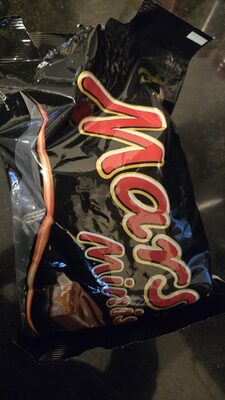
Mars Mini
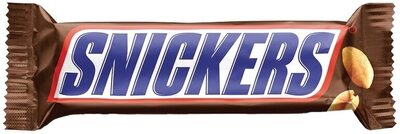
Snickers
Nutrition per 100 g
| Nutrient | Mars Mini | Snickers |
|---|---|---|
| Nutri-Score | e | e |
| NOVA group | 4 | 4 |
| Calories | 439 kcal | 489 kcal |
| Fat | 15 g | 23 g |
| Saturated fat | 6.7 g | 7.6 g |
| Sugars | 62 g | 51 g |
| Salt | 0.7 g | 0.5 g |
| Fiber | — | 3.1 g |
| Protein | 4.2 g | 8.6 g |
| Additives | 2 | 2 |
| Allergens | Eggs, Gluten, Milk, Soybeans, Lait, Lécithine de soja, Malt d'orge | Eggs, Milk, Nuts, Peanuts, Soybeans |
Green = better value for that nutrient (less sugar, fat, salt and calories; more fiber and protein).
Key differences
- Mars Mini has 10% fewer calories (439 kcal vs 489 kcal).
- Mars Mini has 35% less fat (15 g vs 23 g).
- Mars Mini has 12% less saturated fat (6.7 g vs 7.6 g).
- Snickers has 18% less sugar (51 g vs 62 g).
- Snickers has 51% more protein (8.6 g vs 4.2 g).
- Only Mars Mini lists: Gluten, Lait, Lécithine de soja, Malt d'orge.
- Only Snickers lists: Nuts, Peanuts.
Ingredients
Mars Mini
Sucre, sirop de glucose, lait écrémé en poudre, beurre de cacao, pâte de cacao, huile de tournesol, perméat de lactosérum (lait), matière grasse de palme, cacao maigre en poudre, matière grasse du lait, extrait de malt d'orge, sel, émulsifiant (lécithine de soja), blanc d'oeuf en poudre. (Peut contenir: cacahuètes, fruits à coque).
Snickers
milk chocolate (sugar, cocoa butter, chocolate, skim milk, lactose, milkfat, soy lecithin), peanuts, corn syrup, sugar, palm oil, skim milk, lactose, salt, egg whites, artificial flavor, peanuts, milk, egg and soy, tree nuts,
FAQ
Which is healthier: Mars Mini or Snickers?
Overall, Mars Mini has the better nutritional profile on the measures we compare. We compare Nutri-Score, processing level and seven nutrients per 100 g. Your own needs (for example low sugar or high protein) may make a different choice better for you.
Which has fewer calories?
Mars Mini has fewer calories: 439 kcal versus 489 kcal per 100 g.
Which has less sugar?
Snickers has less sugar: 51 g versus 62 g per 100 g.