
Marine collagen vs Strike Force Energy
Overall, Strike Force Energy has the better nutritional profile on the measures we compare. It wins on 2 of our comparison points versus 1.
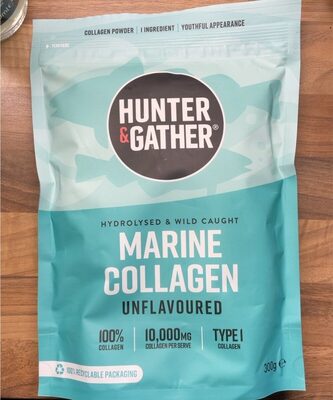
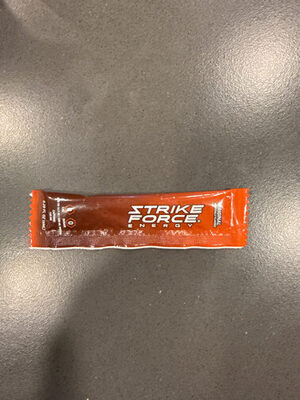
Nutrition per 100 g
| Nutrient | Marine collagen | Strike Force Energy |
|---|---|---|
| Nutri-Score | b | b |
| NOVA group | — | 4 |
| Calories | 389 kcal | 0 kcal |
| Fat | 0 g | 0 g |
| Saturated fat | 0 g | 0 g |
| Sugars | 0 g | 0 g |
| Salt | 0.9 g | 0.5 g |
| Fiber | — | 0 g |
| Protein | 95 g | 0 g |
| Additives | 0 | 5 |
| Allergens | None listed | None listed |
Green = better value for that nutrient (less sugar, fat, salt and calories; more fiber and protein).
Key differences
- Strike Force Energy has no calories, while Marine collagen has 389 kcal.
- Strike Force Energy has 44% less salt (0.5 g vs 0.9 g).
- Marine collagen has 100% more protein (95 g vs 0 g).
Ingredients
Marine collagen
Not available.
Strike Force Energy
Nutritipo Facts Servings Séry size: 3 packet (Bm), Amount per serving: Calories 0, Total Fat 0g 0% DV Sat Fat 0g (0% DV), Trans Fat 0g; Cholest. Omg (0% DV); Sodium 2mg (0% DV), Total Carb. Og (0% DV) Fiber 0g (0% DV), Total Sugars 0g (Incl. Og Added Sugars, 0% DV), Protein 0g, Vit (0% DV), Calcium (0% DV, Iron 0% DV), Potas. (6% DV), Niacin (100% DV), Vitamin B6 (100% DV), Vitamin B12 (100% DV) Ingredient Purified Water, Malic Acid, Citric Acid, Potassium Citrate, Natural and Artificial Flavors, Sucralose, Cafeine, Taurine, Niacinamide (B3), Sodium Benzoate (Preserves Freshness), Pyridoxine HCI (B6), Vitamin B12 63976 00020 Best by 2 yrs from date of mfg. 02123-FS Strike Force and The Strike Force logo Are Trademarks Copyright 2020.
FAQ
Which is healthier: Marine collagen or Strike Force Energy?
Overall, Strike Force Energy has the better nutritional profile on the measures we compare. We compare Nutri-Score, processing level and seven nutrients per 100 g. Your own needs (for example low sugar or high protein) may make a different choice better for you.
Which has fewer calories?
Strike Force Energy has fewer calories: 0 kcal versus 389 kcal per 100 g.
Which has less sugar?
Marine collagen has less sugar: 0 g versus 0 g per 100 g.