
Le Goût Primeur format familial vs Coeur de lait
Overall, Le Goût Primeur format familial has the better nutritional profile on the measures we compare. It wins on 4 of our comparison points versus 1.
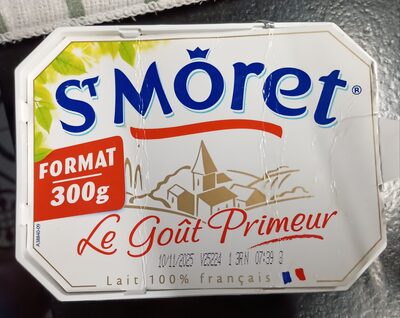
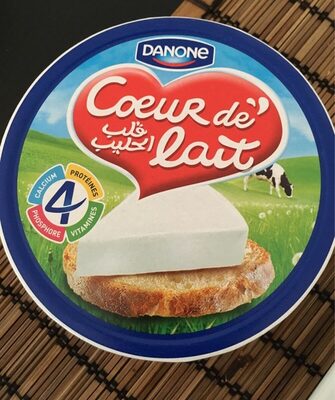
Nutrition per 100 g
| Nutrient | Le Goût Primeur format famil... | Coeur de lait |
|---|---|---|
| Nutri-Score | d | d |
| NOVA group | 4 | — |
| Calories | 205 kcal | 234 kcal |
| Fat | 17.8 g | 20 g |
| Saturated fat | 13.2 g | 17 g |
| Sugars | 3 g | 0 g |
| Salt | 1.2 g | 1.7 g |
| Fiber | 1.1 g | — |
| Protein | 8.3 g | 8 g |
| Additives | 0 | 0 |
| Allergens | Milk | Milk |
Green = better value for that nutrient (less sugar, fat, salt and calories; more fiber and protein).
Key differences
- Le Goût Primeur format familial has 12% fewer calories (205 kcal vs 234 kcal).
- Le Goût Primeur format familial has 11% less fat (17.8 g vs 20 g).
- Le Goût Primeur format familial has 22% less saturated fat (13.2 g vs 17 g).
- Coeur de lait has no sugar, while Le Goût Primeur format familial has 3 g.
- Le Goût Primeur format familial has 29% less salt (1.2 g vs 1.7 g).
Ingredients
Le Goût Primeur format familial
Lait et crème pasteurisés (Origine : France), protéines du lait, sel,
Coeur de lait
تحضير من جبنة مدوية، %48 من المادة الدسمة في المادة الجافة. المكونات، حليب مركب، جين، دهون نباتية، مسحوق مصل الخليب، مالتودیکسترين، نشا، بروتينات الحليب، املاح مستحلبة (متعدد الفوسفاط، سيترات الصوديوم، تنائي الفوسفاط، فوسفاط الصوديوم)، ملح، مادة حافظة (سوربات البوتاسيوم)، مخثر(كاراجينان)، منظم الحموضة (حمض الستريك)، نكهة.
FAQ
Which is healthier: Le Goût Primeur format familial or Coeur de lait?
Overall, Le Goût Primeur format familial has the better nutritional profile on the measures we compare. We compare Nutri-Score, processing level and seven nutrients per 100 g. Your own needs (for example low sugar or high protein) may make a different choice better for you.
Which has fewer calories?
Le Goût Primeur format familial has fewer calories: 205 kcal versus 234 kcal per 100 g.
Which has less sugar?
Coeur de lait has less sugar: 0 g versus 3 g per 100 g.