
Integral vs Molde Integral Libre de Gluten
Overall, Integral has the better nutritional profile on the measures we compare. It wins on 7 of our comparison points versus 0.
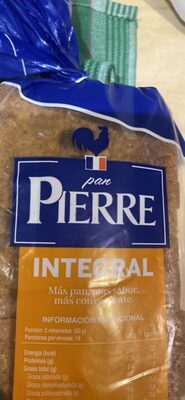
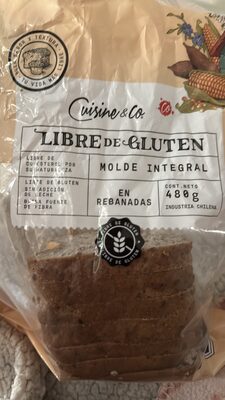
Nutrition per 100 g
| Nutrient | Integral | Molde Integral Libre de Glut... |
|---|---|---|
| Nutri-Score | b | d |
| NOVA group | 4 | 4 |
| Calories | 247 kcal | 254 kcal |
| Fat | 3.1 g | 3.6 g |
| Saturated fat | 0.5 g | 1.9 g |
| Sugars | 2 g | 2 g |
| Salt | 1 g | 1.9 g |
| Fiber | 3.7 g | 0 g |
| Protein | 12.6 g | 6 g |
| Additives | 4 | 6 |
| Allergens | Gluten | Eggs, Soybeans |
Green = better value for that nutrient (less sugar, fat, salt and calories; more fiber and protein).
Key differences
- Integral has 14% less fat (3.1 g vs 3.6 g).
- Integral has 74% less saturated fat (0.5 g vs 1.9 g).
- Integral has 50% less salt (1 g vs 1.9 g).
- Integral has 100% more fiber (3.7 g vs 0 g).
- Integral has 52% more protein (12.6 g vs 6 g).
- Integral has the better Nutri-Score.
- Only Integral lists: Gluten.
- Only Molde Integral Libre de Gluten lists: Eggs, Soybeans.
Ingredients
Integral
Harina integral de trigo de grano entero, agua, trigo laminado, levadura, gluten, azúcar, aceite de maravilla (con tocoferol como antioxidante), sal, propionato de calcio, ácido cítrico, goma guar, ácido sórbico, ácido ascórbico.
Molde Integral Libre de Gluten
Agua, almidones (maíz, papa, mandioca), aceite vegetal (soya, girasol), harina de arroz, azúcar, linaza, psyllium, fibra de bambú, azúcar, almidón modificado, levadura seca (Saccharomyces cerevisiae), monoestearato de sorbitán, goma xantana, celulosa, hidroxipropilmetilcelulosa, vinagre, sorbato, propionato de calcio.
FAQ
Which is healthier: Integral or Molde Integral Libre de Gluten?
Overall, Integral has the better nutritional profile on the measures we compare. We compare Nutri-Score, processing level and seven nutrients per 100 g. Your own needs (for example low sugar or high protein) may make a different choice better for you.
Which has fewer calories?
Integral has fewer calories: 247 kcal versus 254 kcal per 100 g.
Which has less sugar?
Integral has less sugar: 2 g versus 2 g per 100 g.